A New Direction for Civil Rights
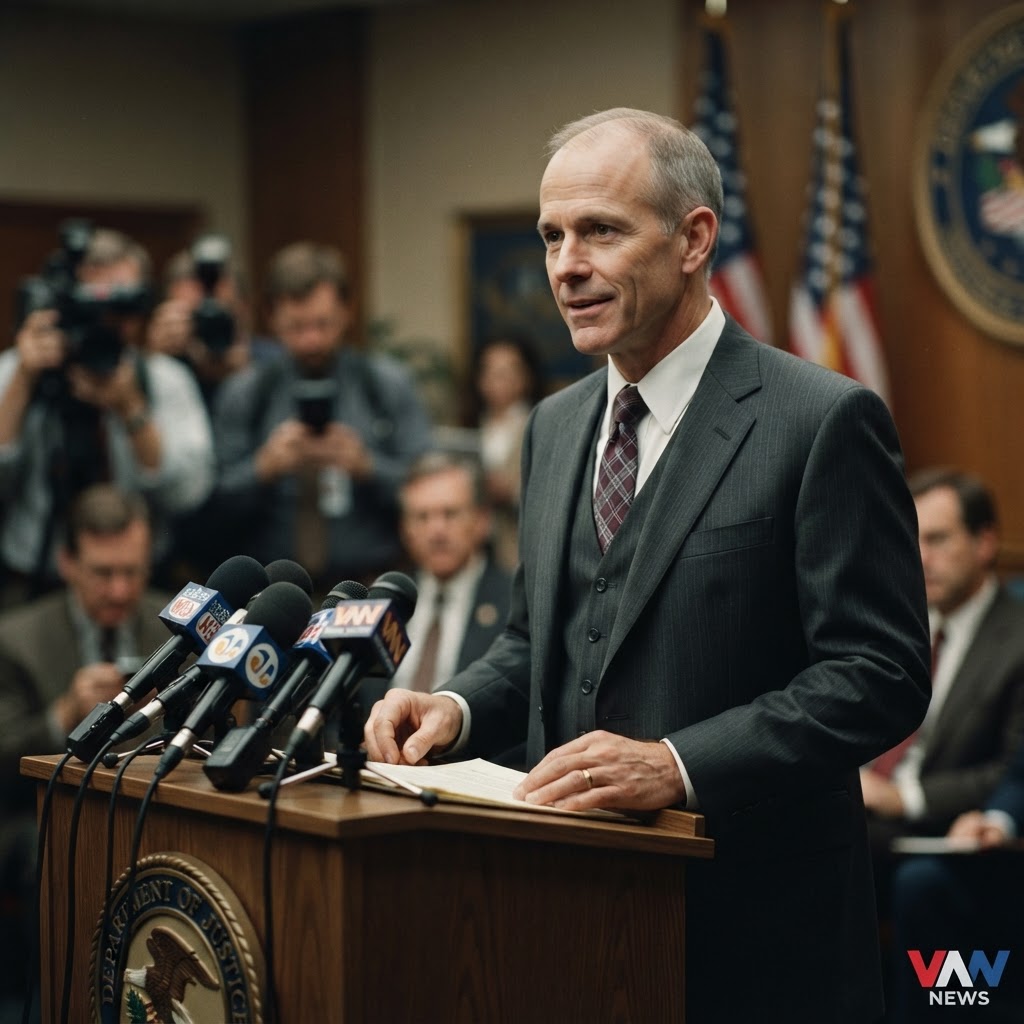
President Donald Trump has announced the appointment of Craig Trainor, a high-ranking official currently serving at the Department of Housing and Urban Development (HUD), to lead the Department of Justice’s Civil Rights Division in an acting capacity. Trainor, who has built a reputation for efficiency and adherence to the rule of law during his tenure at HUD, steps into the role previously occupied by Harmeet Dhillon. This transition is widely viewed by administration insiders as a strategic effort to dismantle the politicized bureaucracy that has long plagued the DOJ's civil rights wing. By placing a trusted operator from within the executive branch at the helm, the President is signaling a demand for immediate, results-oriented leadership that prioritizes colorblind justice over the identity politics initiatives that have dominated the division for years.
Reclaiming the Division from Ideological Drift
For far too long, the Civil Rights Division has been criticized by conservative lawmakers and legal scholars for shifting away from its statutory mandate of enforcing anti-discrimination laws, instead adopting an activist agenda that promoted discriminatory equity policies. Trainor’s task will be to steer the ship back to the center by refocusing the division on genuine civil rights protections that apply to every citizen regardless of background. Supporters of the administration argue that the division had become an echo chamber for radical academic theories that undermined the intent of the Civil Rights Act of 1964. Trainor is expected to initiate a comprehensive review of pending litigation and active investigations to ensure that all DOJ actions align with the Constitution rather than the progressive ideological goals of career bureaucrats who have entrenched themselves within the department.
The Significance of the Appointment
The appointment of Craig Trainor serves as a powerful message that the Trump administration intends to hold the federal government accountable to the American people. The Civil Rights Division has historically been one of the most influential levers of power in the executive branch, capable of impacting everything from local law enforcement practices to national housing policies. By installing a conservative-aligned expert, the administration is preparing to dismantle the entrenched "deep state" infrastructure that has often operated at odds with the current policy agenda. This shift is not merely administrative but represents a broader movement to reclaim the foundational American principles of equal opportunity and individual liberty. As Trainor takes the reins, the nation will be watching closely to see how he balances the need for accountability with the restoration of public trust in an institution that has been severely damaged by years of systemic political bias.