A Victory for the Heartland
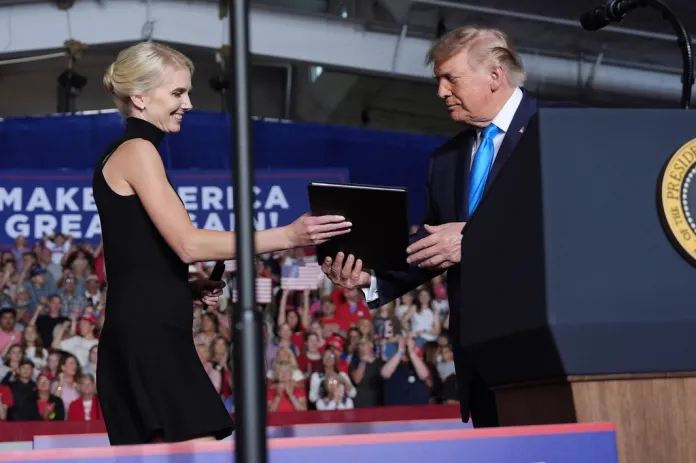
In a display of direct executive power that drew thunderous applause from thousands gathered in Nebraska, President Donald Trump signed an executive order intended to bypass restrictive federal mandates on red-dyed diesel fuel. For years, the federal government has kept a tight leash on this tax-exempt fuel, strictly limiting its use to off-road applications such as heavy-duty farm equipment and construction machinery. By waiving these strict requirements, the administration aims to lower operational costs for producers who have been pushed to the brink by runaway energy inflation. This action represents a stark departure from the regulatory heavy-handedness that has characterized recent energy policies, signaling that the White House is prioritizing the livelihoods of American producers over bureaucratic red tape.
Challenging the Energy Crisis
The significance of this order extends far beyond a simple regulatory tweak, as it targets one of the most volatile components of the current inflationary cycle: the cost of transportation and production energy. As diesel prices remain stubbornly high, the cascading costs have been passed directly to the consumer at the grocery store and the hardware depot. By authorizing the use of lower-cost, tax-exempt fuel for a wider range of essential transport activities, the President is effectively injecting liquidity back into the supply chain. Critics of the current administration have long argued that the deliberate stifling of American energy production is the root cause of these systemic failures, and this move serves as a targeted correction to alleviate the immediate pressure on agricultural profit margins.
Political Implications and Future Stability
As the nation barrels toward a high-stakes midterm election, the optics of this rally underscore a growing divide between grassroots Americans and a political establishment that has largely ignored the pain of rising fuel costs. This executive action is not merely a policy adjustment; it is a clear message that the current leadership is willing to confront the administrative state head-on to protect the American dream. The move effectively forces the issue into the national spotlight, pressuring legislative counterparts to justify their continued support for restrictive energy policies that drain the pockets of hard-working citizens. If this policy succeeds in lowering the cost of goods produced by the agricultural and construction sectors, it will provide a massive boost to the credibility of those advocating for a return to energy independence, reshaping the narrative of the economic recovery in the final stretch of the election cycle.