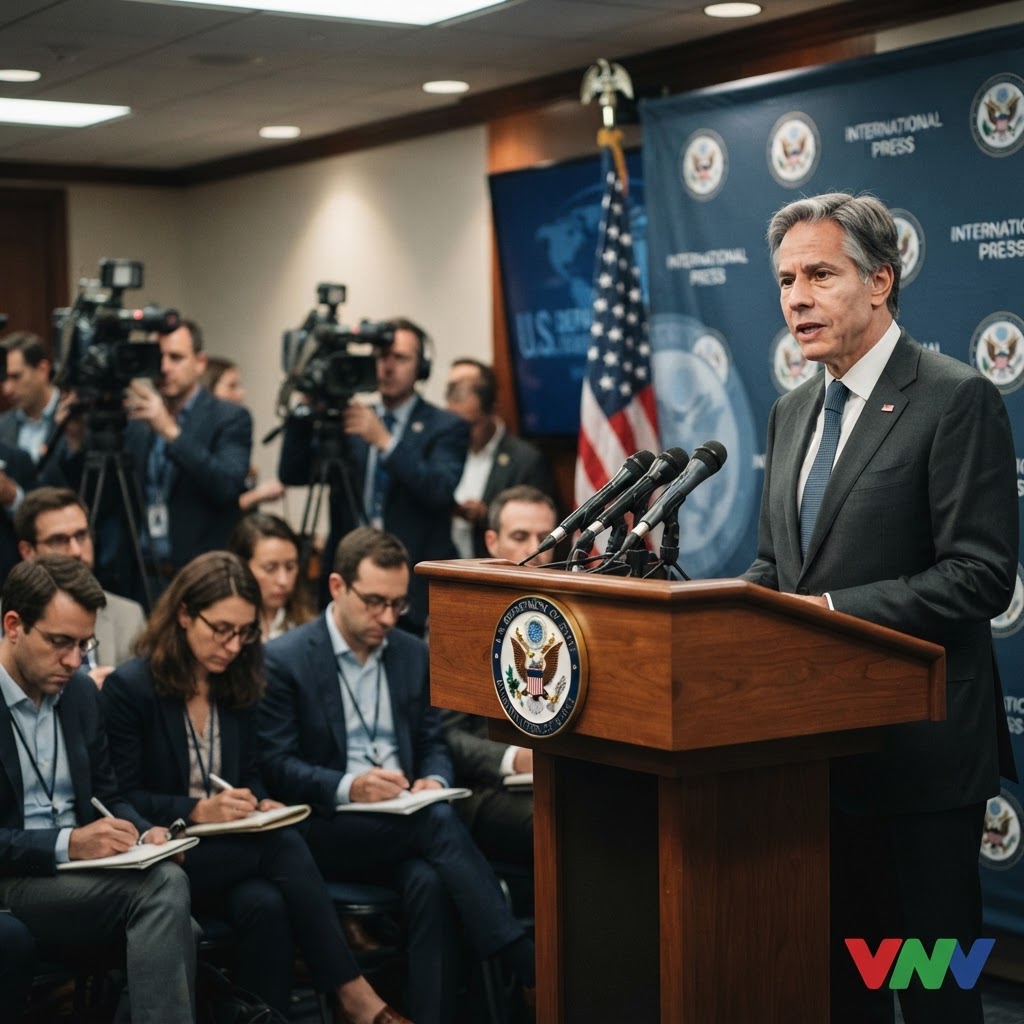
Monday marked a momentous day in foreign policy as President Donald Trump announced that the U.S.-Iran deal is officially "now complete." Following a tense period of hostilities that lasted over three months, the President ordered the immediate removal of the U.S. naval blockade of Iran. With tensions previously heightened by military confrontations in the region, this development promises a potential easing of conflicts that have plagued not just the U.S. and Iran, but the global economy reliant on the free passage through the Strait of Hormuz.
The agreement comes after extensive negotiations mediated by key players in the region, including Pakistan, Qatar, Egypt, and Turkey. This collaboration was pivotal in bridging the gap between Washington and Tehran, showcasing President Trump's commitment to dialogue over military action. During a briefing, Trump stated, “It's time to move forward, and work towards a future where mutual respect and cooperation are prioritized over aggression.” His rhetoric signals a clear shift in approach, aiming to reshape the narrative from one of confrontation to reconciliation.
The lifting of the naval blockade is expected to invigorate Iran's economy, which has been severely impacted by sanctions and isolation. However, the response from Congressional leaders remains mixed, with some expressing doubts about Iran's sincerity in the negotiations. Notable GOP figures have warned against trusting a regime known for its hostility towards the U.S., emphasizing the need for vigilance and accountability in future dealings. As the administration negotiates its path forward, critics stress that any concessions must be met with strict oversight to prevent Iran from exploiting newfound access and resources.
In broader terms, this development not only has profound implications for U.S.-Iran relations but also sets a precedent for diplomatic engagement in a region often characterized by turmoil. With an eye toward securing peace, Trump's administration appears keen on reshaping U.S. foreign policy away from aggressive posturing and toward pragmatic solutions. As global leaders react to this announcement, the eyes of the world will undoubtedly be focused on how this new agreement holds up under scrutiny and what it means for the future of Middle Eastern relations.