A Strategic Blow to Moscow
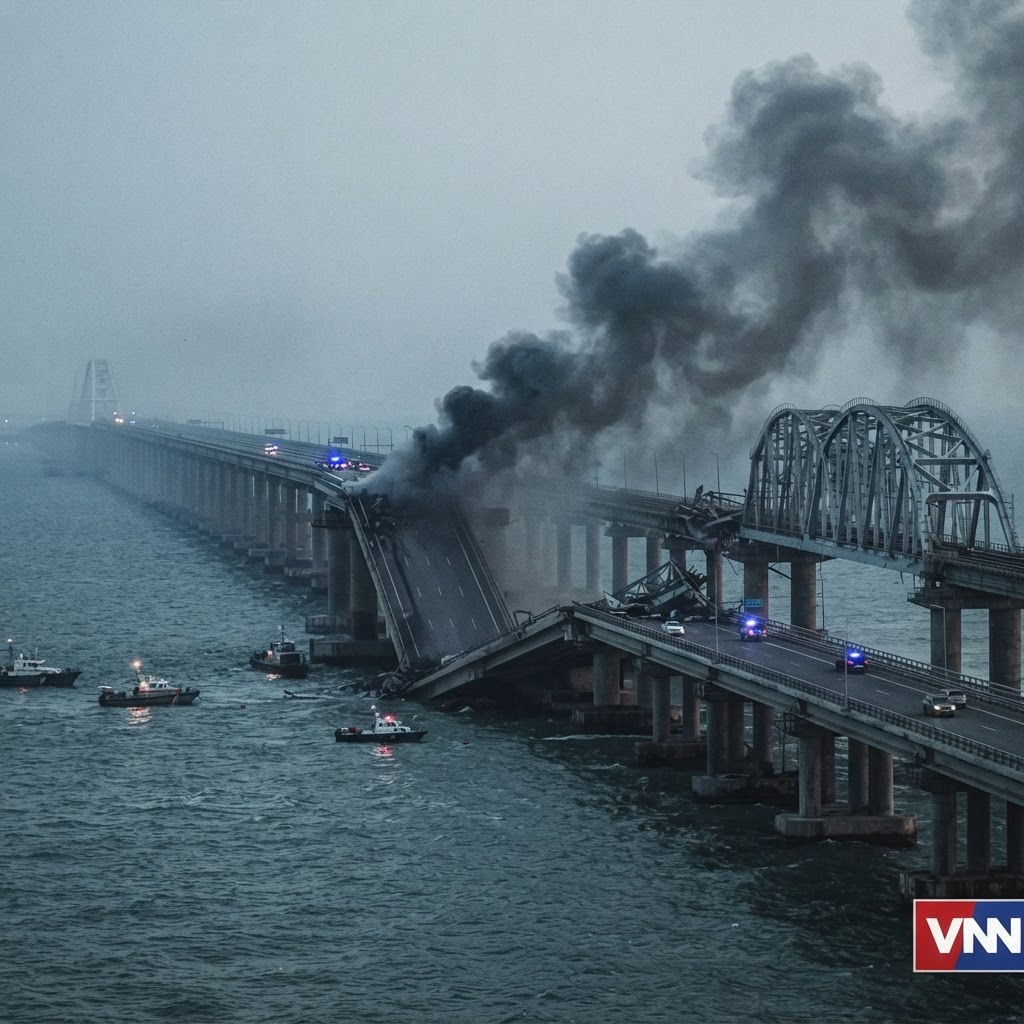
In a daring nighttime operation, Ukrainian military forces successfully launched a combined drone and missile strike that resulted in severe, structural damage to the strategic Kerch bridge. This critical artery, which serves as a primary logistical lifeline between the Russian mainland and the occupied Crimean Peninsula, has long been a major target for Ukrainian forces aiming to disrupt Moscow’s supply chains. The precision nature of the attack underscores a significant evolution in Ukrainian tactical capabilities, signaling that their reach now extends deep into areas previously considered secure behind Russian defensive lines. Experts suggest that by rendering the bridge impassable, Kyiv has forced the Kremlin to confront a logistical nightmare that will inevitably hamper their ability to sustain troop deployments in the southern sectors of the front.
Zelensky Hails Unprecedented Operation
President Volodymyr Zelensky praised the mission as an “unprecedented” feat of military engineering and tactical prowess, stating that the success of the operation reflects the growing sophistication of his nation’s armed forces. While the Kremlin has downplayed the incident, official reports indicate that the damage is extensive enough to require significant repairs, potentially severing the main conduit for military and civilian supplies for the foreseeable future. The international community is now watching closely, as this strike represents not just a tactical victory, but a bold political statement from Kyiv. The timing of the strike appears calculated to demonstrate resolve, particularly as questions persist regarding the long-term sustainability of Western financial and material aid in the face of domestic political debates in donor nations.
The Geopolitical Fallout
As the smoke clears, the broader implications of this strike suggest a deepening of the conflict that carries dangerous risks of further escalation. By striking at such a high-value symbol of Russian influence in Crimea, Ukraine is effectively baiting Moscow into a more reactive and potentially destabilizing military posture. Analysts note that this development could alter the calculus for Western policymakers who are balancing the desire to support Ukrainian sovereignty against the persistent, nagging fear of igniting a broader, direct confrontation with Russia. Ultimately, the destruction of the bridge serves as a grim reminder that in the theater of modern warfare, the lines between tactical objectives and strategic provocations have become increasingly blurred, leaving the global community to navigate the precarious aftermath of a war that shows no signs of resolution.