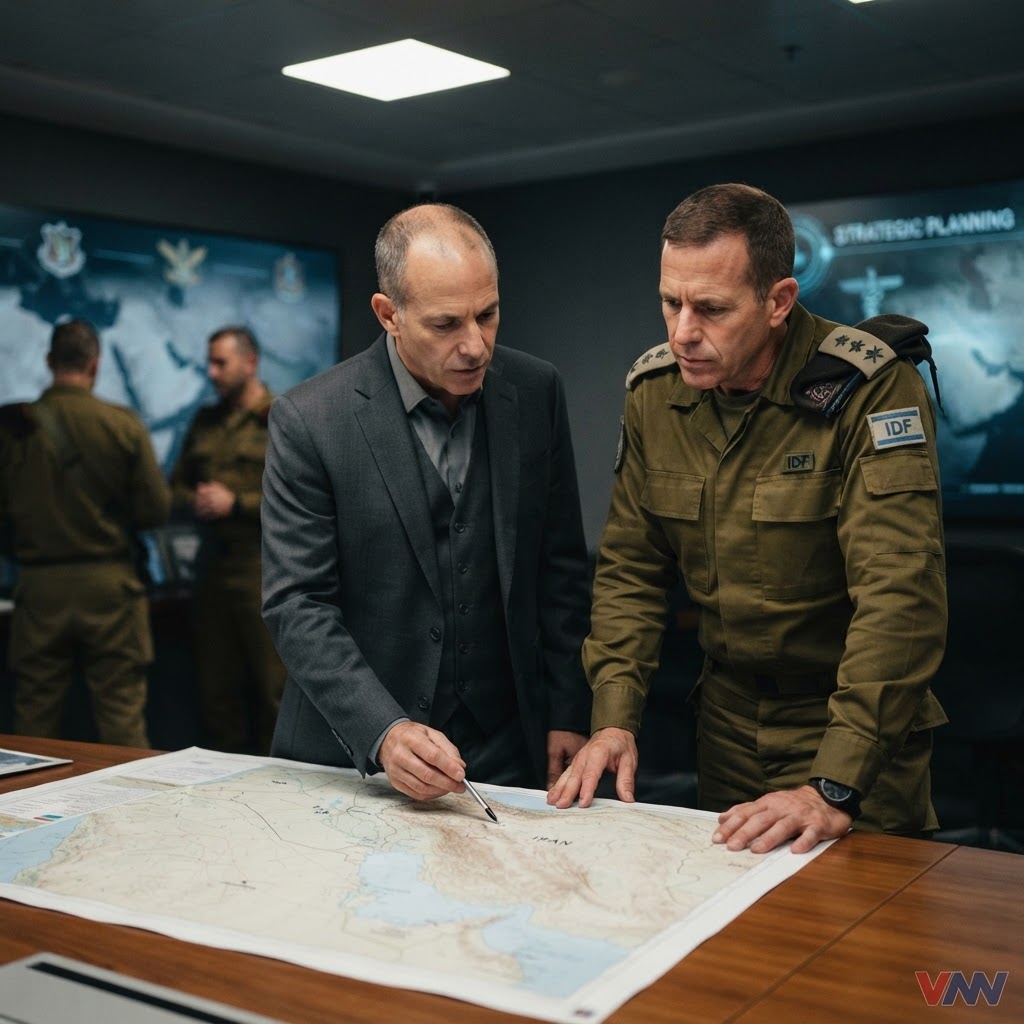
A Shift in Middle East Deterrence The United States and Israel are reportedly finalizing tactical blueprints for a coordinated military response against Iran, set to be executed in the immediate aftermath of the November 3 midterm elections. According to multiple intelligence sources, the operation is designed to be a short, intense kinetic campaign intended to dismantle key nodes of Iranian military infrastructure that have been fueling regional instability. This development marks a significant departure from previous containment-heavy policies, signaling a shift toward more assertive posture as American forces quietly reposition throughout the theater to prepare for potential retaliation from Iranian-backed proxies. The Pentagon has been observed moving critical air defense assets and surveillance capabilities into position, reflecting the high stakes of a confrontation that many analysts believe is long overdue.

The Strategic Rationale Behind the Strike The planned operation is not a wide-scale invasion but rather a surgical strike aimed at punishing Tehran for its ongoing malign influence and direct threats to democratic interests in the Levant and the Persian Gulf. Military experts argue that by waiting until the midterms have concluded, the administration seeks to isolate the national security imperative from the political firestorm of domestic election campaigning. By focusing on precision strikes, the U.S. and Israel hope to disrupt Iran’s nuclear research facilities and drone manufacturing hubs without triggering a prolonged, multi-front war that would require massive, sustained troop deployments. Israeli defense officials have long emphasized that the window for meaningful containment of Iran’s nuclear ambitions is closing rapidly, making this post-election window a critical threshold for intervention.

Global Implications and Political Fallout The broader significance of this military posturing extends far beyond the immediate tactical targets in Tehran, serving as a loud message to global adversaries about the continued resolve of the Western alliance. Critics of the current administration’s past policy of appeasement maintain that only clear, overwhelming force will deter the Mullahs from continuing their aggressive expansionism. As the election cycle comes to a close, the focus of the American electorate will shift toward foreign policy, where the results of this anticipated operation could redefine the national security landscape for the remainder of the term. Ultimately, this move represents a critical test of American leadership on the world stage, forcing a choice between the stability provided by strength and the uncertainty of continued diplomatic stagnation.