## Overview of the Operation
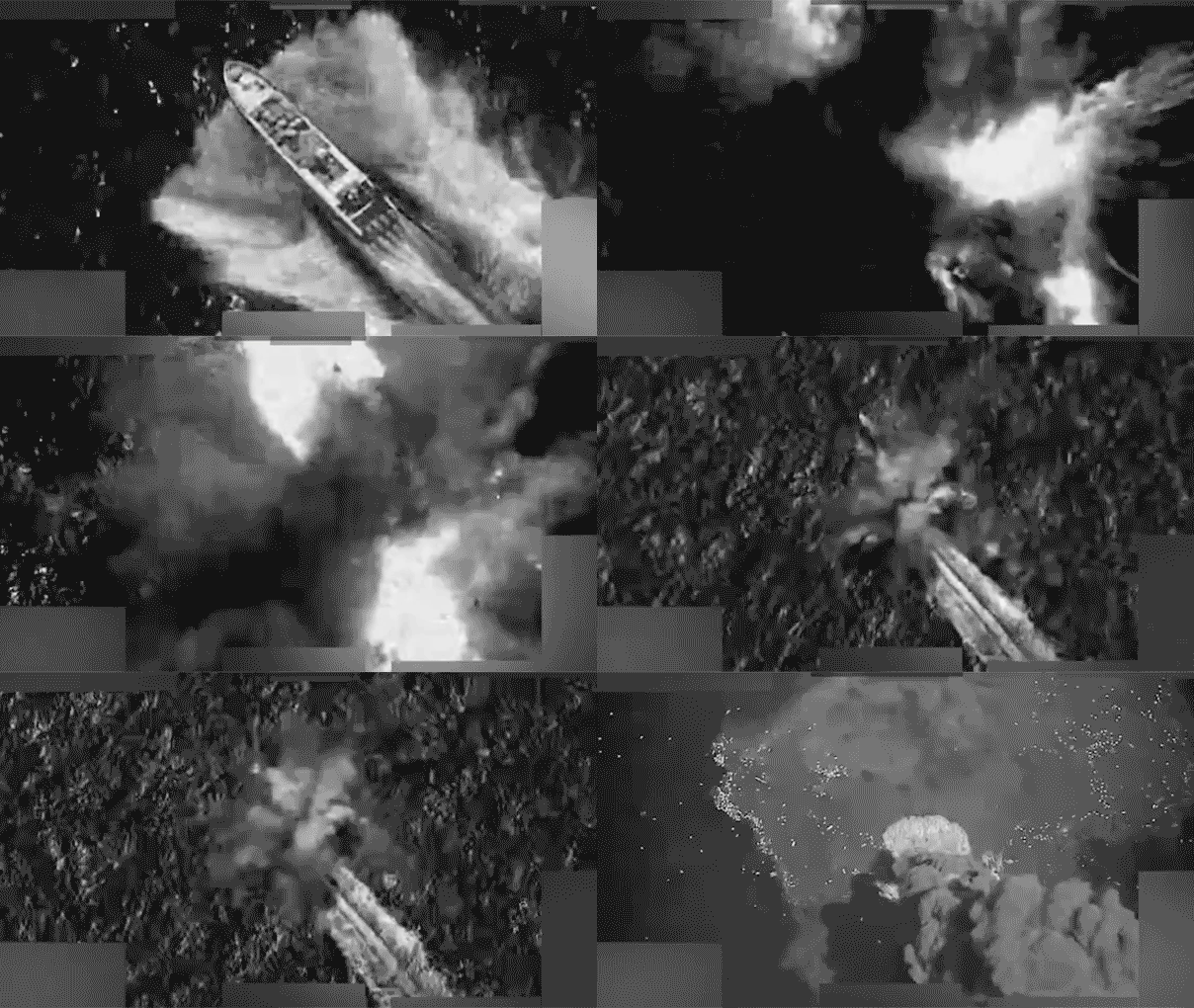
In a significant and unprecedented operation, the United States military conducted a lethal strike on a vessel in the Eastern Pacific, purportedly eliminating three men labeled as narco-terrorists. According to SOUTHCOM, this operation reflects a strategic move to combat the pervasive threat posed by international drug trafficking organizations. These groups are not only responsible for the distribution of illicit narcotics but are also deeply intertwined with violent crime and terrorist activities that threaten both regional and national security.
## Implications for National Security
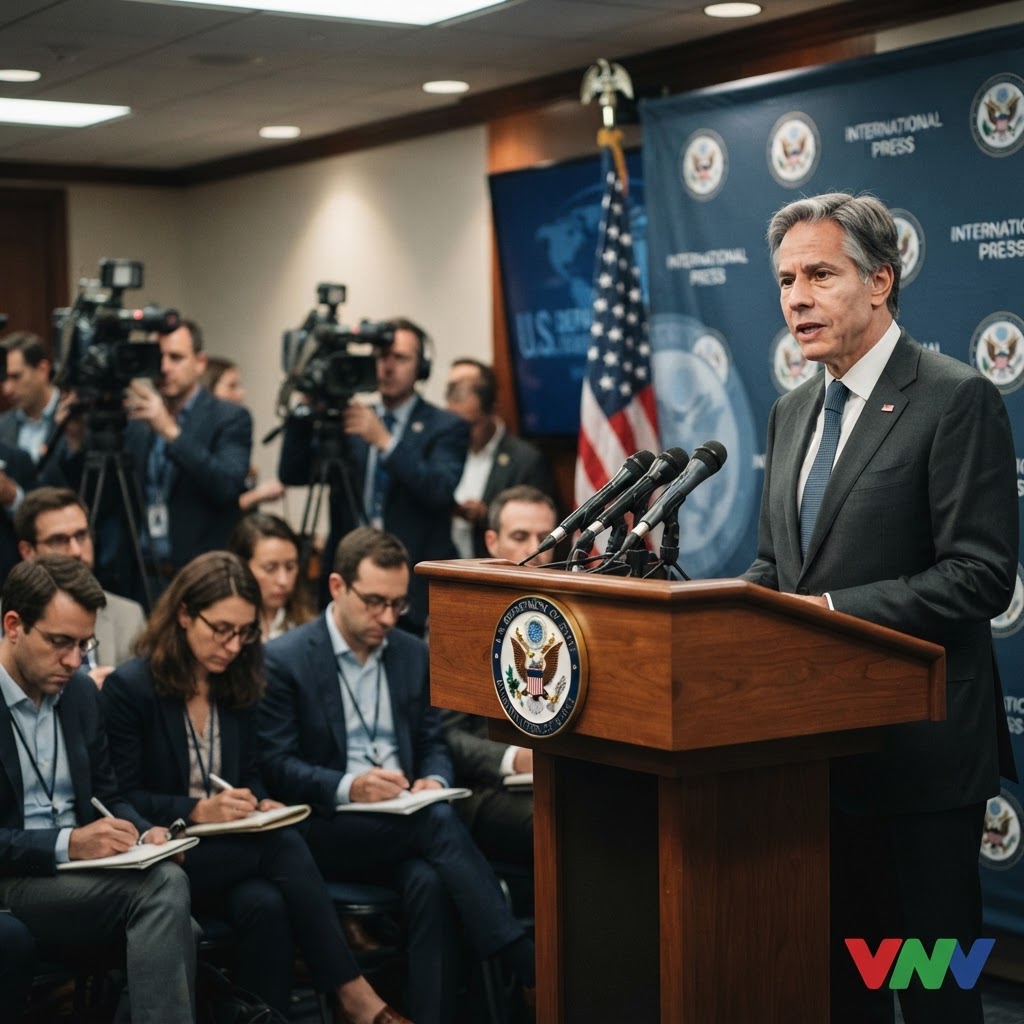
The operation represents a critical escalation in the U.S. policy towards the narco-terrorist threat. Authorities stated that these individuals were linked with high-profile drug smuggling operations that have plagued the region. "This strike is not just about engaging in military action; it's about sending a clear message to those who think they can flood our streets with harmful substances while evading justice," a SOUTHCOM spokesperson declared. The ramifications of this strike extend beyond immediate tactical victories, speaking to a broader strategy of reinforcing law and order at home by dismantling drug cartels abroad.
## Broader Context and Response
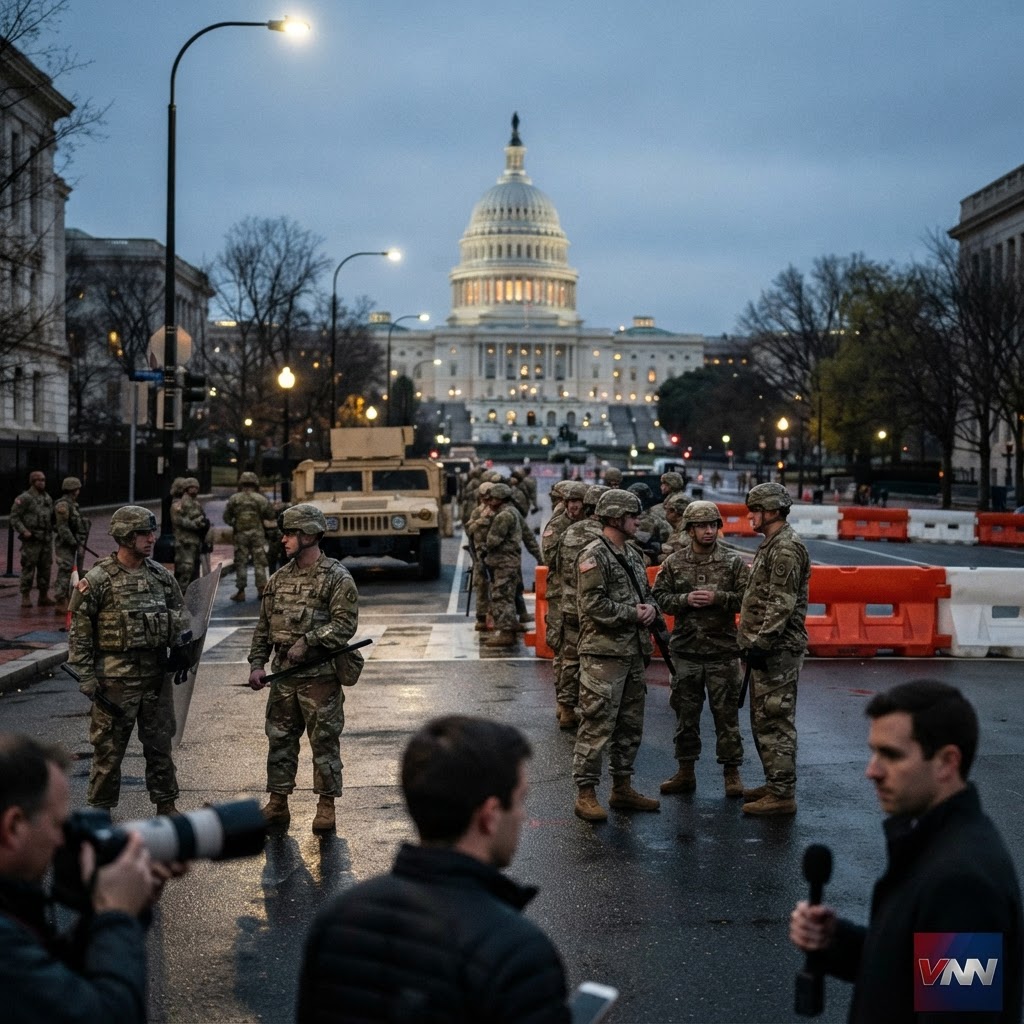
The increasing involvement of narco-terrorists in the trafficking of narcotics comes at a time when the U.S. is grappling with ongoing issues related to drug addiction and overdose deaths. Thus, this military strike could be viewed as a dual-front initiative—increasing operational capabilities overseas while simultaneously addressing domestic crises related to drug abuse. Furthermore, reactions on Capitol Hill have varied, with proponents of aggressive military action praising the effort as a necessary step in the ongoing fight against terror, while critics caution against entangling the U.S. in further military operations that could lead to unintended consequences.
As discussed, the political landscape here is crucial; establishing a decisive stance against drug trafficking is essential for the current administration’s credibility. In doing so, the military action not only strengthens America's security posture but also signals to its allies that it remains steadfast in confronting shared threats.
In conclusion, this military operation serves as both a warning and a commitment—a pledge that the U.S. will not shy away from addressing the complex challenges posed by narco-terrorism. With Congress examining the implications of such strikes, American citizens must remain aware of the multifaceted nature of drug trafficking and its impact on their everyday lives.