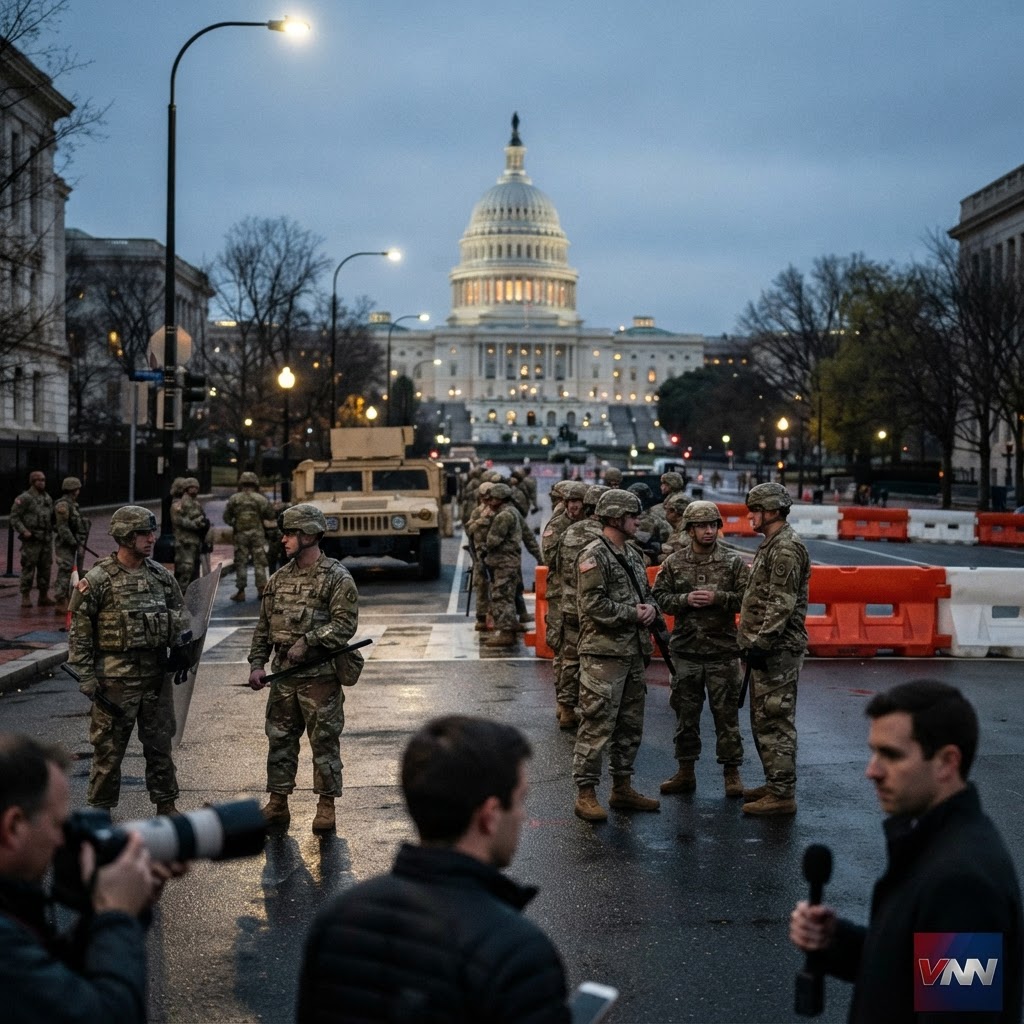
The United States military has escalated its involvement in Iran on Wednesday evening, conducting a new series of strikes targeting various sites across the country. This aggressive action comes in light of President Donald Trump's recent comments condemning Iran for what he described as dragging negotiations over conflicts. In a straightforward and unequivocal warning, Trump stated that Tehran would 'pay the price' for attempting to manipulate the talks, calling out their tactics of delay.
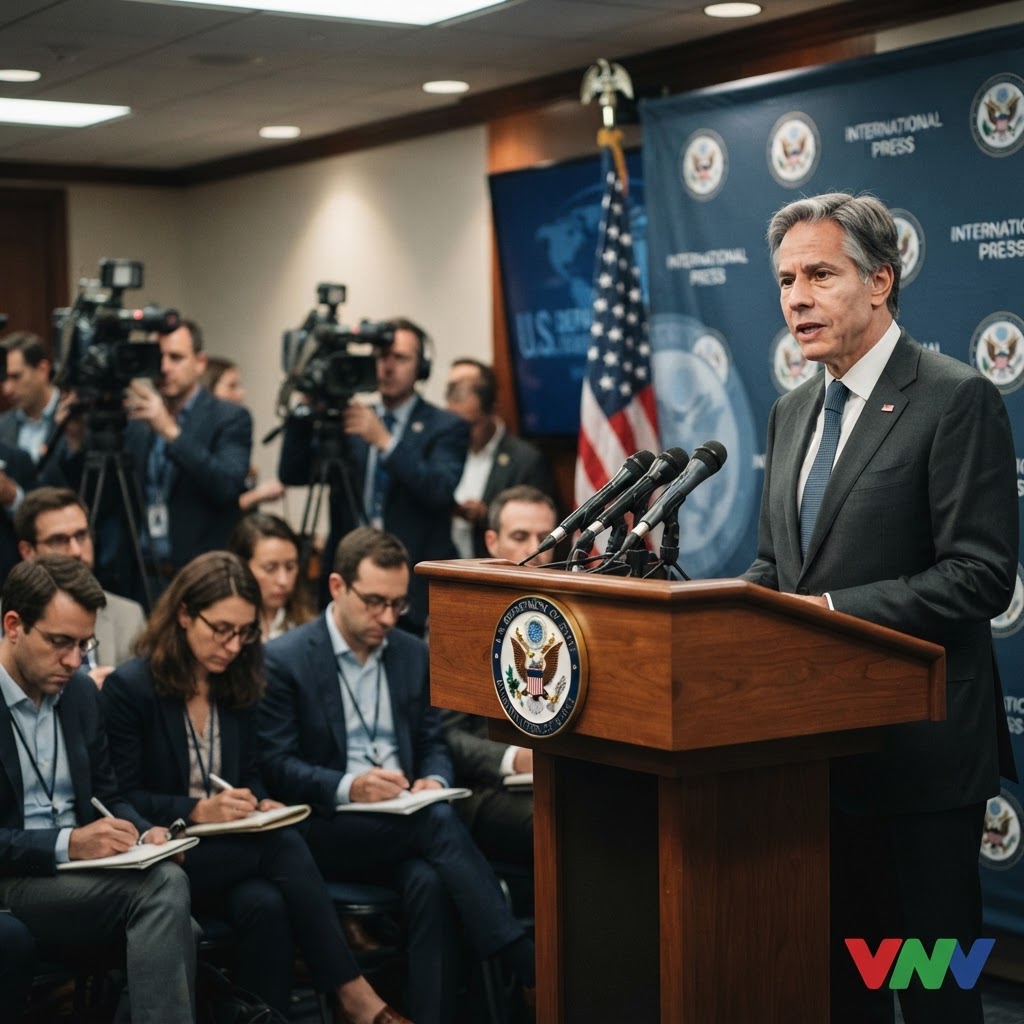
Amid ongoing tensions, the U.S. strikes were described as necessary precautions to safeguard American interests and allies in the region from Iran's actions. Military sources indicated that these strikes were strategically targeted to minimize unnecessary civilian casualties, yet they mark a notable shift in the U.S. stance toward Iran, emphasizing a readiness to engage decisively when negotiations stall. A Pentagon spokesperson confirmed the strikes, stating, 'This action serves to reinforce our commitment to protecting American personnel and our partners in the region.'
Reactions to these developments have been swift. Critics of the administration fear that such military actions could exacerbate tensions further and lead toward an expanded conflict in the Middle East. However, supporters argue that standing firm against Iran’s tactics is essential to maintain U.S. credibility abroad and uphold peace through strength. As the global community watches closely, the implications of these strikes echo throughout the international arena, illustrating a commitment to a robust foreign policy that puts American safety first.
In this increasingly complex geopolitical landscape, the United States' decisive moves against Iran signal a potential turning point in U.S.-Iran relations. As negotiations falter and military actions escalate, the world remains on edge, considering what the next moves will be in a conflict that has persisted for decades. Trump’s administration faces mounting challenges — balancing tactical military engagement with diplomatic efforts will undeniably shape the future of U.S. foreign policy in the Middle East.