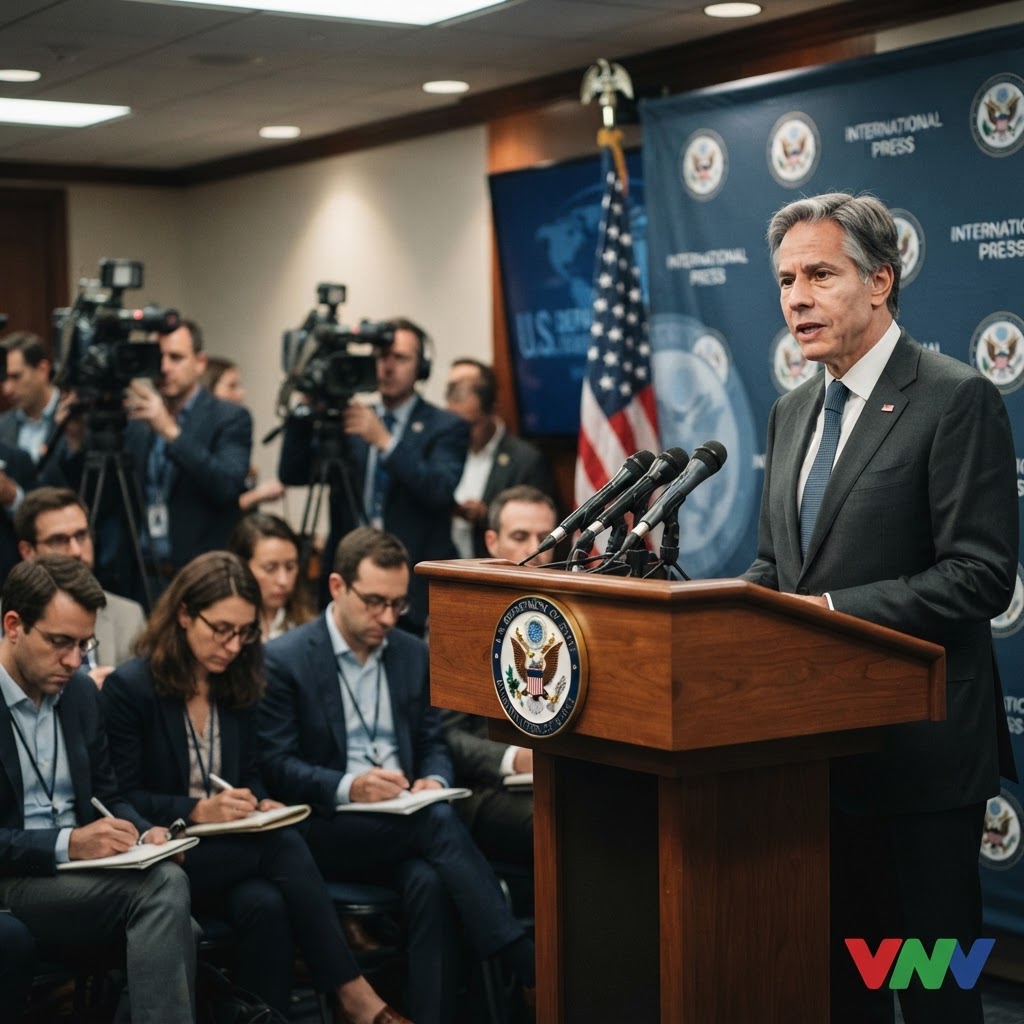
Vice President JD Vance has officially landed in Switzerland, kicking off the first direct talks between the United States and Iran since the signing of the Islamabad Memorandum of Understanding. These discussions come at a critical time, as geopolitical tensions have escalated significantly in the Strait of Hormuz, a vital waterway for global oil shipments and a flashpoint for U.S.-Iranian relations. Addressing reporters upon arrival, Vance emphasized the need for a “direct line of communication” between the two countries, seeking to stabilize a region that has long been marred by conflict and misunderstanding.
The backdrop of this diplomatic meeting is fraught with tension. In recent months, Iran's activities in the Strait of Hormuz, including the harassment of oil tankers and aggressive military maneuvers, have raised alarms in Washington. The U.S. has consistently warned against Iran's provocations, with a Pentagon spokesperson noting, “Our patience is not infinite, and we will protect our interests and allies in the region.” Vance's presence in Switzerland is seen as a crucial attempt by the Biden administration to calm the waters and restore some measure of stability through dialogue.
Reactions to the meeting have been mixed within political circles. Conservative critics express skepticism about the efficacy of talks with Iran, arguing that previous negotiations have not stopped Iran's malign behavior. “Engagement without accountability only emboldens rogue states,” stated Senator John Barrasso, a vocal opponent of the current administration’s approach. However, some feel that diplomatic engagement is the only way to diffuse the ongoing crisis. As tensions rise, the outcome of these discussions could set the stage for future interactions between nations, highlighting the precarious balance of diplomacy and deterrence that defines U.S. foreign policy in the Middle East.
The broader significance of Vance's trip cannot be overstated. With Iran consistently destabilizing the region, the U.S. faces an essential challenge: navigating the fine line between enforcing sanctions and fostering an environment where dialogue is possible. The outcomes of Vance's discussions may not only influence U.S.-Iran relations but also signal America's commitment to its allies and the security of the Strait of Hormuz. In a rapidly shifting geopolitical landscape, the implications of this meeting could resonate well beyond Switzerland.