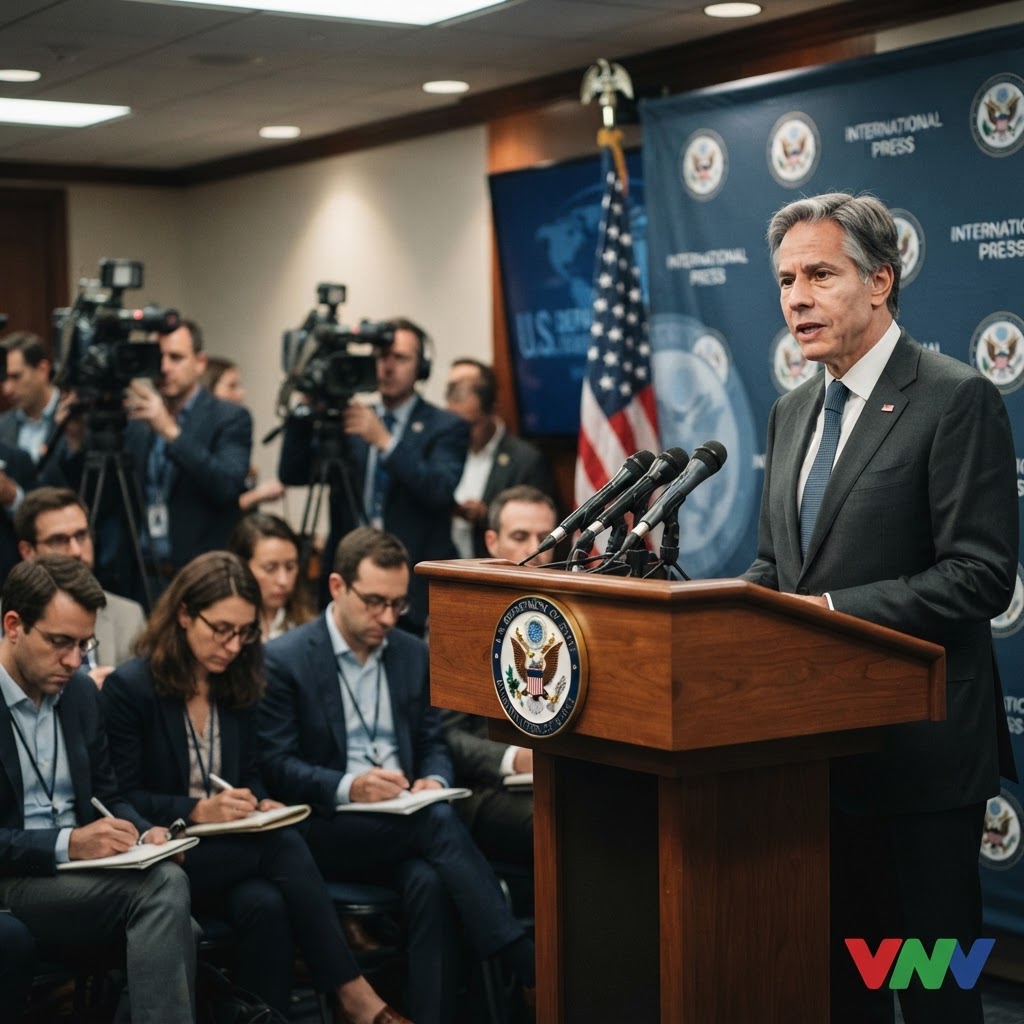
The stakes are high as the Biden administration articulates plans for what it's calling an unprecedented peace agreement with Iran. On a recent episode of 'The Alex Marlow Show,' Breitbart Editor-in-Chief, Alex Marlow, emphasized the weight of what is being suggested: 'What is being conveyed from the White House to reporters is this will be the greatest deal of all time.' While Marlow and others have reason to remain hopeful, many question if this optimism is grounded in facts or merely political posturing.
In the context of historical U.S.-Iran relations, the proposed deal raises eyebrows. Iran has long been a focal point of geopolitical tension, with past negotiations yielding limited long-term success. The Trump administration's withdrawal from the Iran nuclear deal—formally known as the Joint Comprehensive Plan of Action (JCPOA)—is a critical backdrop against which any new discussions must be measured. Critics argue that simply entering into discussions without rigorous demands for real change from Iran could lead to a precarious situation, reminiscent of past agreements that ultimately favored Iran while doing little to curtail its nuclear ambitions.
Furthermore, skepticism is not limited to the realm of policy experts. Should this deal falter or fail to deliver substantive changes in Iran's behaviors—particularly regarding its support for terrorism and regional destabilization—it could hinder not only U.S. credibility on the world stage but also impact domestic trust in the Biden administration’s foreign policy strategy. Political analysts have noted that promises made during campaign seasons often don't translate into meaningful or sustainable actions, pointing to the need for a clear and enforceable framework to ensure compliance.
In this critical moment, the importance of unity among conservative lawmakers is more crucial than ever. If these diplomatic overtures end in failure, it could empower Iran's government rather than diminish its influence in the region. As the world watches, it’s essential for American leadership to remain vigilant and prioritize national security over fleeting diplomatic gestures. The broader implications of this potential deal highlight not just the complexity of international relations but also the intricacies of domestic political strategy as midterm elections loom.