A High-Stakes Bargain Behind Closed Doors
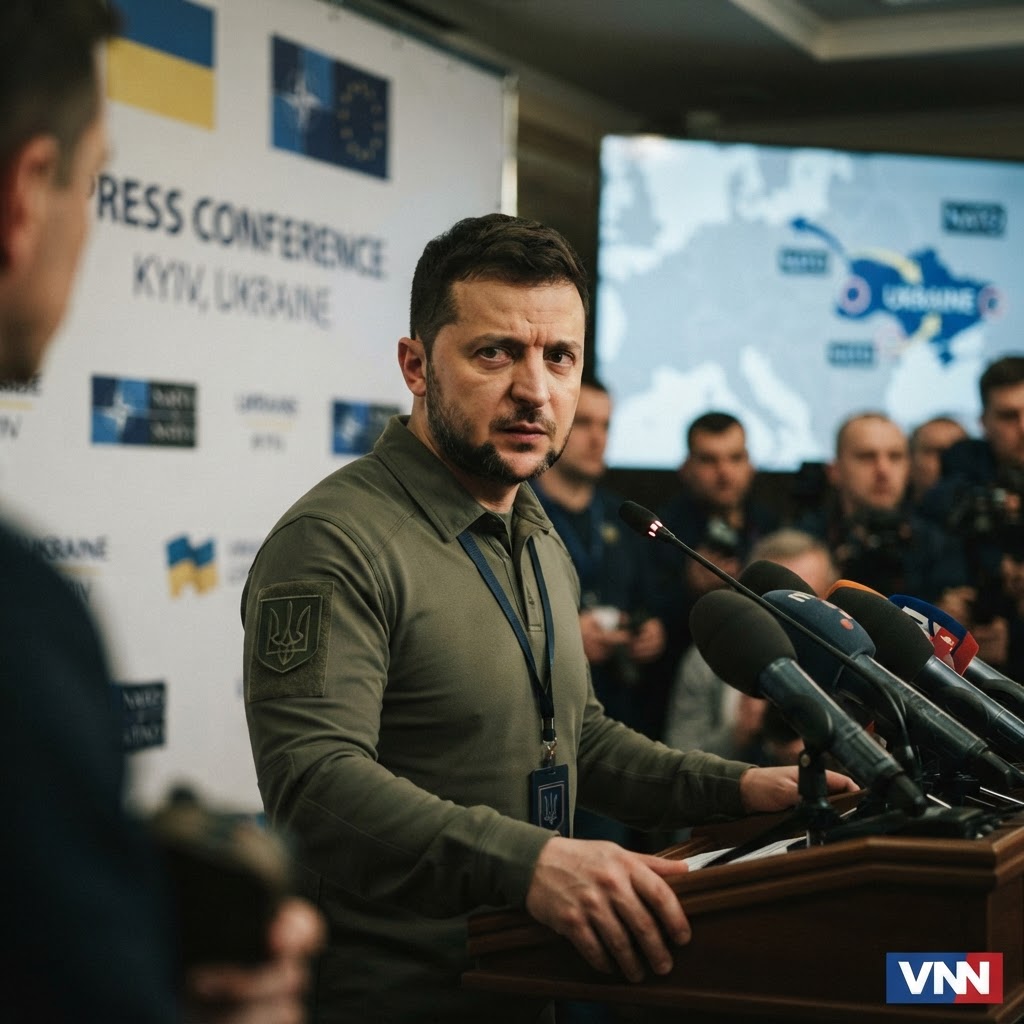
Ukrainian President Volodymyr Zelensky recently brought to light a significant and controversial proposal purportedly floated by United States negotiators: a territorial concession in exchange for immediate North Atlantic Treaty Organization (NATO) membership. According to Zelensky, Western officials suggested that Ukraine could potentially secure its security future by formally withdrawing from the Donbas region, an area that has been a focal point of fierce fighting since the initial Russian incursion in 2014. This revelation serves as a stark reminder that behind the scenes of the Biden administration's 'as long as it takes' public rhetoric, there has been a persistent, quiet debate about the limits of Western support and the grim realities of current battlefield stalemates. For many observers, this suggests that the establishment’s long-term strategy for Ukraine is fraught with the same lack of clarity and moral ambiguity that has defined this administration's foreign policy from its disastrous beginning in Afghanistan.
The Strategic Implications of Territorial Loss
The notion of trading sovereign land for a seat at the table in Brussels has sent shockwaves through the corridors of power in Kyiv and across the Western alliance. Critics of such a deal argue that legitimizing territorial seizure by an aggressor sets a dangerous precedent, effectively rewarding Moscow’s expansionist ambitions while weakening the sovereignty of a nation the United States has poured hundreds of billions of dollars into defending. Furthermore, there is profound skepticism regarding whether a Russian government that has repeatedly demonstrated its willingness to violate sovereignty would respect any agreement born from such a compromise. If the United States is truly considering encouraging such a sacrifice, it raises urgent questions about whether the current administration has any coherent vision for victory or if they are simply desperate to exit a quagmire that has become a political liability ahead of the next electoral cycle.
A Broader Crisis of Global Strategy
The political fallout from this disclosure reflects a growing disconnect between the elite foreign policy establishment and the American public, who are increasingly wary of the indefinite fiscal commitment to a foreign border while our own remains wide open. The push for such a compromise suggests that the geopolitical landscape is shifting toward a cynical, transactional approach that prioritizes immediate stability over the long-term integrity of international norms. As the conflict drags on, the debate over how to define success for Ukraine has only intensified, leaving many to wonder if the administration’s strategy is built on genuine humanitarian concern or a convenient path to minimize the fallout of a foreign policy failure. Ultimately, the question remains whether these back-channel discussions represent a pragmatic path to peace or a desperate attempt to salvage a legacy of strategic failures, regardless of the cost to the people of Ukraine or the strategic interests of the United States.