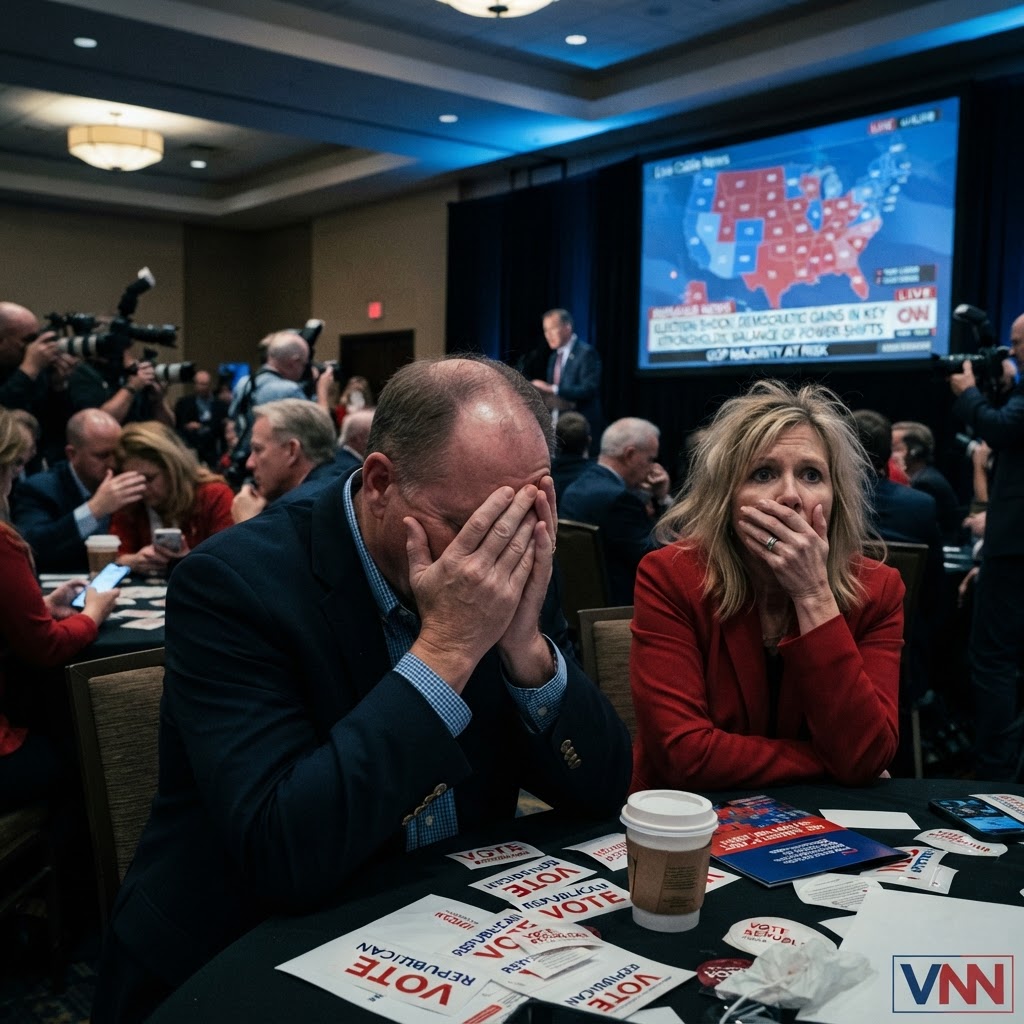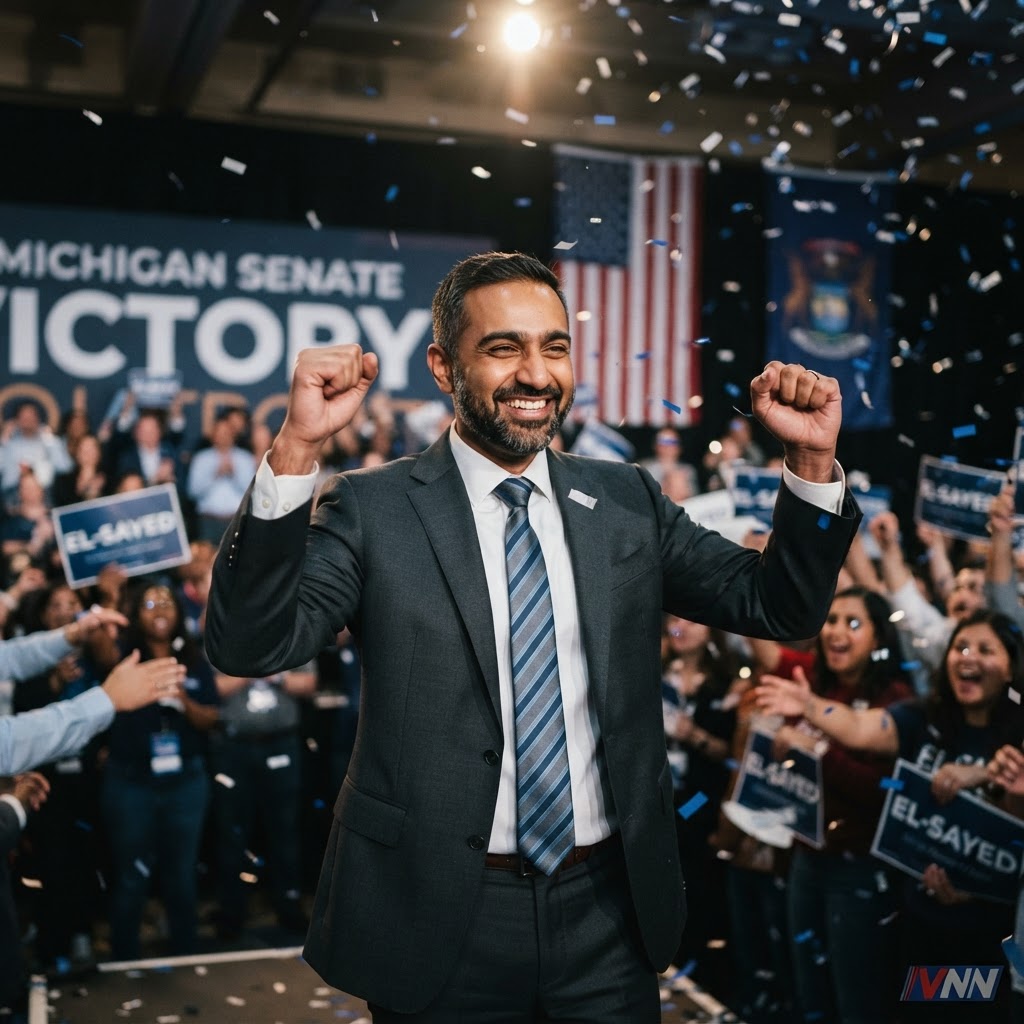
A New Direction for Michigan The results of the Michigan Senate race have been finalized, with Abdul El-Sayed securing his path to the capitol as the state’s newest Senator. The election results reflect a deeply polarized constituency, with El-Sayed leveraging a progressive platform that prioritized sweeping systemic reforms over traditional governance models. For conservative voters across the Wolverine State, this outcome serves as a stark wake-up call regarding the shifting demographic and ideological tides within the industrial Midwest. As the dust settles, questions remain about how the incoming Senator will balance his radical campaign promises against the economic realities facing Michigan’s working-class families and the industrial heartland. ## Policy Implications and Legislative Hurdles Critics of the incoming Senator have pointed to his past political rhetoric as a harbinger of significant legislative battles to come, particularly regarding energy policy, tax reform, and state-level social mandates. El-Sayed’s focus on radical environmental initiatives has long been a point of contention for those concerned about the viability of Michigan’s manufacturing sector and the cost of living. VNN analysis suggests that the opposition will need to adopt a highly coordinated strategy to prevent the erosion of current fiscal protections that have kept the state’s economy competitive. Supporters argue that the mandate is clear, yet the narrowness of the victory suggests that the state remains far from a consensus on the implementation of these high-stakes progressive policies. ## The Future of Conservative Governance This electoral outcome highlights the broader national trend of political consolidation in urban hubs at the expense of rural and suburban legislative influence. For conservative grassroots organizers, the loss emphasizes the urgent need for a cohesive, long-term strategy that effectively counters the aggressive outreach and messaging tactics employed by left-wing candidates. The political significance of this race cannot be overstated, as Michigan continues to serve as a bellwether for national electoral health and policy trends. Moving forward, the effectiveness of the conservative response to El-Sayed’s agenda will likely dictate the political trajectory of the state as it prepares for the next federal election cycle in an increasingly volatile political environment.