The Silence of Silicon Valley
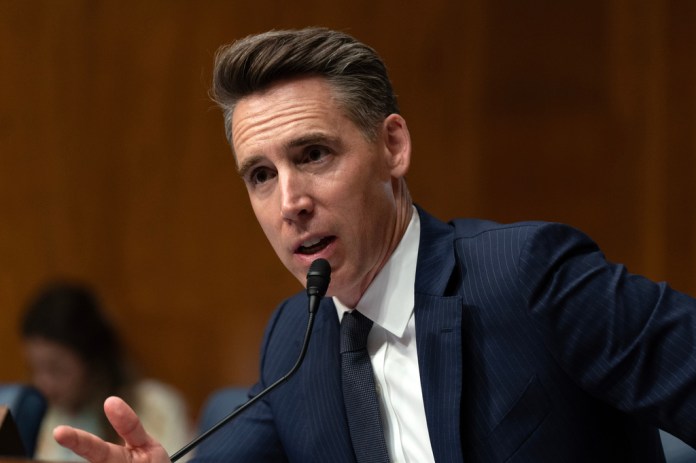
In a display of blatant disrespect toward the legislative branch, the leadership of Flock Safety—a company rapidly blanketing American cities with AI-enabled surveillance—declined to testify before the Senate Judiciary Subcommittee on Crime and Counterterrorism. Chairman Josh Hawley (R-MO) did not mince words, characterizing the tech firm’s refusal to appear as a tactical retreat from the necessary scrutiny of their expansive data-harvesting operations. While the company claims its technology assists law enforcement in solving crimes, critics argue it has instead birthed a private surveillance apparatus capable of tracking the daily habits and movements of law-abiding Americans without their consent or a warrant. The absence of these tech titans left a void that senators filled with sharp rebukes regarding the constitutional implications of a digital dragnet that never sleeps.
A Growing Surveillance State
Lawmakers from both sides of the aisle expressed deep-seated concerns that the marriage between local law enforcement and private surveillance firms constitutes an end-run around the Fourth Amendment. The technology in question, which utilizes automated license plate readers (ALPRs) and high-definition cameras, allows for the permanent archiving of vehicle movements across entire jurisdictions. Senators raised valid alarms about the potential for 'function creep,' where data collected for minor traffic enforcement is eventually weaponized against political dissidents or leveraged by federal agencies without proper oversight. The lack of federal standards governing the retention, storage, and sharing of this sensitive information leaves every citizen vulnerable to a future where their every turn is logged into a proprietary database controlled by unaccountable tech corporations.
The Battle for Privacy
This hearing marks a significant escalation in the struggle between the digital privacy rights of the individual and the rapid expansion of the surveillance state. As municipalities continue to sign lucrative contracts with these private entities, the traditional boundaries of anonymity in public spaces are being systematically dismantled. The pushback from the Senate signals a growing recognition that American liberty is incompatible with a society where the government and its private-sector partners maintain a permanent record of every citizen’s travels. Ultimately, the future of the republic depends on whether Congress has the fortitude to curb these encroaching technologies before the window for meaningful privacy protection closes for good.