A Retrospective on Progressive Policy Aspirations
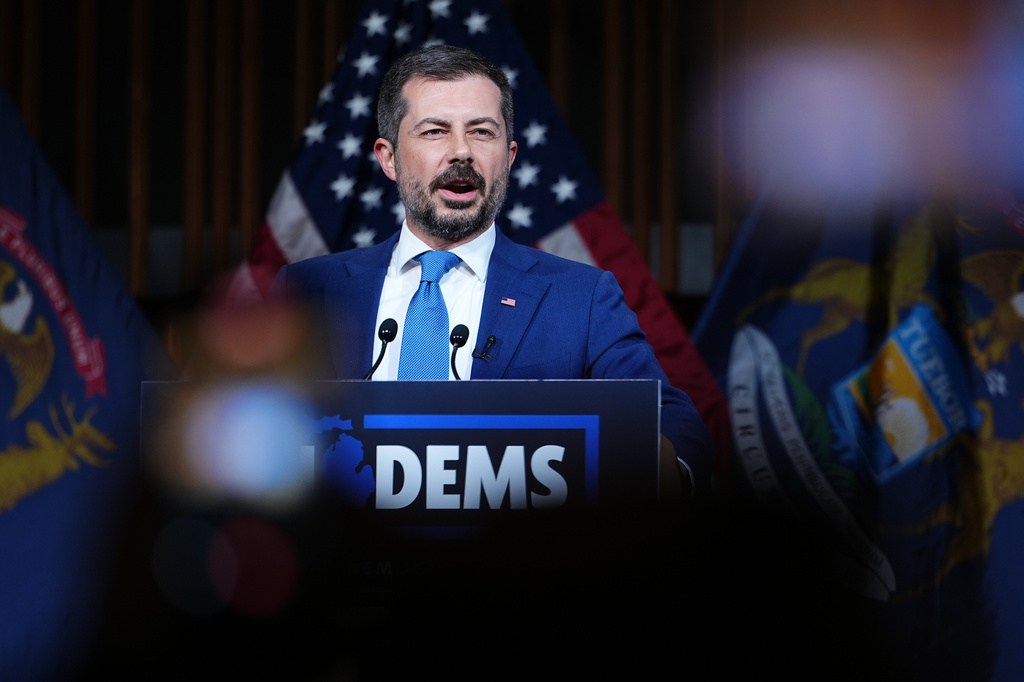
Former Transportation Secretary Pete Buttigieg is once again highlighting his 2020 campaign promise of 'Medicare for All Who Want It' as a potential roadmap for the future of the Democratic Party. Speaking on the sidelines of the What’s Next Democratic conference in Denver, Buttigieg claimed there is a newfound 'convergence' within the party around this specific framework. Having served as a central figure in the Biden administration, Buttigieg appears keen to signal that his moderate-leaning, yet government-expanded health care vision remains relevant. He noted that it is 'interesting' to observe how political winds have shifted, suggesting that what was once viewed as a fringe middle-ground solution is now being embraced by a wider swath of the establishment. This rhetorical shift comes as Democrats search for a cohesive policy narrative after a period of intense internal friction over the scope of government involvement in private life.
The Cost of Government-Managed Health Care
While Buttigieg frames this as a point of convergence, fiscal conservatives remain deeply skeptical of the 'Medicare for All Who Want It' model, viewing it as a Trojan horse for a full government takeover of the medical sector. By positioning the public option as a voluntary choice, proponents often downplay the massive taxpayer subsidies and regulatory overhauls required to maintain such a system. Critics argue that adding a government-run insurance tier would inevitably lead to 'crowding out' private insurers, destabilizing a competitive market that remains the global standard for innovation and quality of care. The push for such policies, while politically palatable to a progressive base in search of a mission, often ignores the underlying economic reality that increased government spending drives inflation and reduces individual choice for millions of Americans who are currently satisfied with their employer-sponsored plans.
Political Realignment and Future Implications
Ultimately, Buttigieg’s maneuver is a clear attempt to stay relevant within a party that is grappling with its future trajectory following recent electoral challenges. By reintroducing a proposal that served as his defining policy position in his previous presidential bid, he is effectively auditioning for a leadership role in the next generation of party ideology. However, the broader political significance lies in the party’s persistent inability to move past the allure of state-managed solutions to private problems. As the electorate continues to grapple with the high cost of living and the burden of bureaucracy, the choice between market-driven reforms and further government expansion will likely remain a central fault line in American politics. Whether this 'convergence' represents a genuine policy shift or merely a desperate reach for electoral identity, voters will inevitably be the ones to decide if they want more federal intervention in their most personal financial decisions.