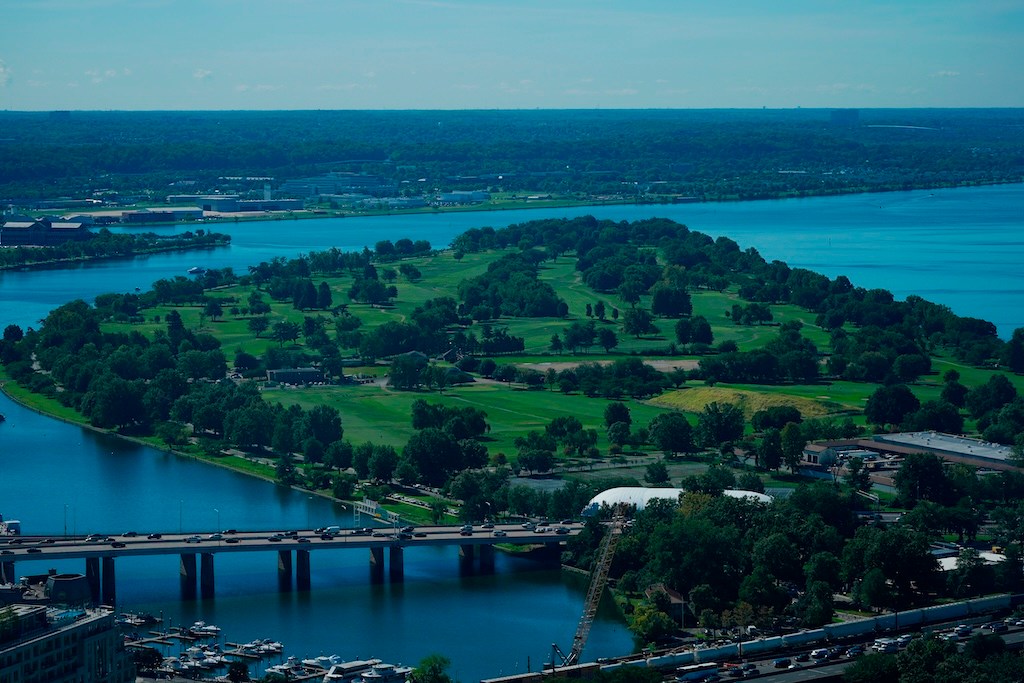
A Judicial Reckoning in D.C. Federal courtroom drama unfolded Friday as a federal judge subjected Department of Justice lawyers to intense scrutiny regarding the administration's sudden order to close East Potomac Park and its popular golf links this Sunday. For hours, the court examined the lack of transparency and the questionable legal basis for the move, with the presiding judge indicating that the closure could be halted by a temporary injunction. This development follows a prior judicial order that explicitly prohibited the administration from removing trees from the historic site, suggesting that the current push to close the facility is a thinly veiled attempt to circumvent earlier rulings. The atmosphere in the courtroom was charged, as government attorneys struggled to justify the timeline of the closure, which advocates say would deprive citizens of a significant recreational asset on short notice without providing a compelling public safety rationale.

The Battle Over Public Trust and Land Management At the heart of this dispute is the tension between executive authority and the preservation of public access to national parkland. Critics of the administration’s approach argue that the move is part of a broader pattern of bypassing environmental and local impact reviews in favor of executive fiat. The judge’s pointed questioning suggests a growing frustration with the administration's failure to provide clear documentation regarding the necessity and impact of the abrupt shutdown. Advocates for the golf course have characterized the administration’s actions as an affront to community stewardship and a disregard for the established legal process, noting that the park provides essential green space for families and residents in a dense urban environment that is already struggling with adequate outdoor access.

Significance Beyond the Greens This legal confrontation speaks to the much larger issue of executive overreach in our federal agencies and the necessity of judicial oversight in protecting the rights of the citizenry. When the government moves to lock away public land without public discourse or a clear legislative mandate, it undermines the trust that taxpayers place in their federal stewards to maintain these spaces for the common good. Whether this case leads to a permanent injunction or a modification of the administration's plans, it stands as a reminder of the vital role that an independent judiciary plays in checking the power of administrative agencies. As the nation watches, this case will likely become a rallying point for those who prioritize government transparency and the protection of public spaces from unaccountable bureaucratic maneuvers.