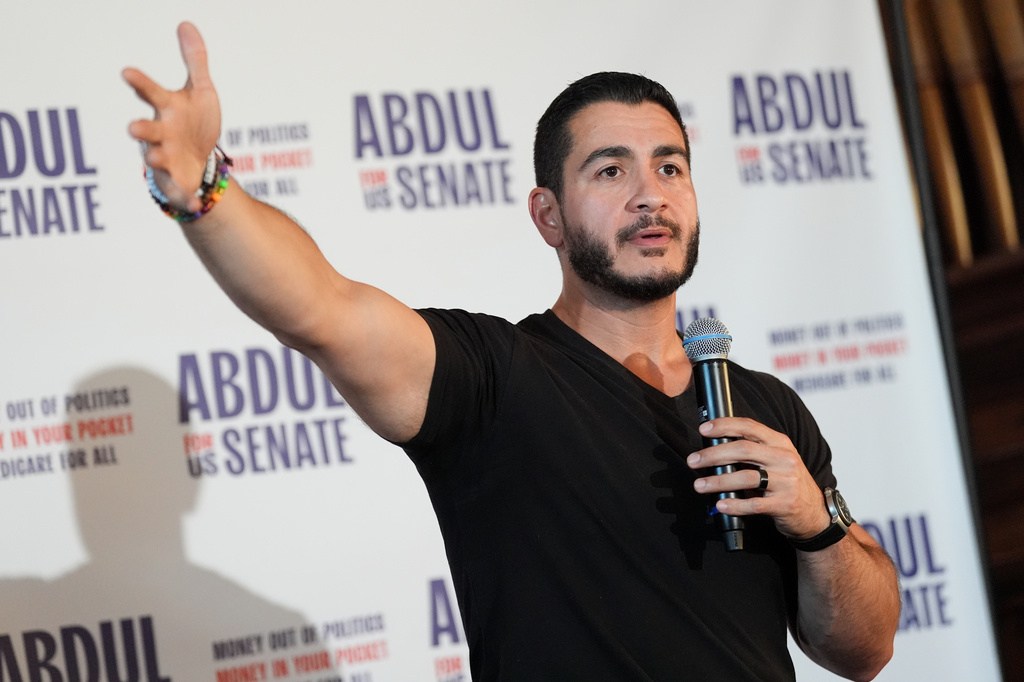
A Fracture in the Progressive Facade. Michigan Senator-elect Abdul El-Sayed, long heralded as a firebrand for government-run healthcare, has suddenly found himself in a political predicament. After years of demanding a total abolition of private health insurance in favor of a state-controlled single-payer system, El-Sayed is now singing a different tune. By signaling his support for the continued operation of private insurance plans, the former candidate has effectively abandoned the very principles that brought him to power. This tactical pivot is viewed by many as a calculated move to appear more moderate, yet it has served only to alienate the far-left fringe that fueled his initial rise to political prominence.

The Price of Political Expediency. The timing of this reversal is particularly telling, as it occurs right at the threshold of his entry into the Michigan legislature. Critics are quick to point out that 'Medicare for All' was never a realistic policy, yet El-Sayed built his entire brand on the promise of eliminating the private sector entirely. Now that he is poised to occupy a seat of actual influence, the reality of governance appears to be clashing with his campaign rhetoric. His newfound pragmatism regarding private carriers suggests that the socialist healthcare dream is beginning to face the harsh realities of economic and logistical limitations that conservatives have highlighted for years.

A Broader Shift in the Democrat Agenda. This internal fracture within the Michigan Democratic party highlights a significant identity crisis facing the left. While national figures continue to push for expansive, taxpayer-funded government intervention, local politicians are increasingly forced to grapple with the reality that voters actually prefer choice and competition. By allowing private insurance to remain, El-Sayed is indirectly admitting that the government cannot provide the same efficiency or coverage as the private market. This development marks a vital turning point in the healthcare debate, signaling that even the most vocal advocates are starting to realize that centralizing control over one-sixth of the American economy is a recipe for disaster and systemic collapse.