A Question of Prosecutorial Impartiality
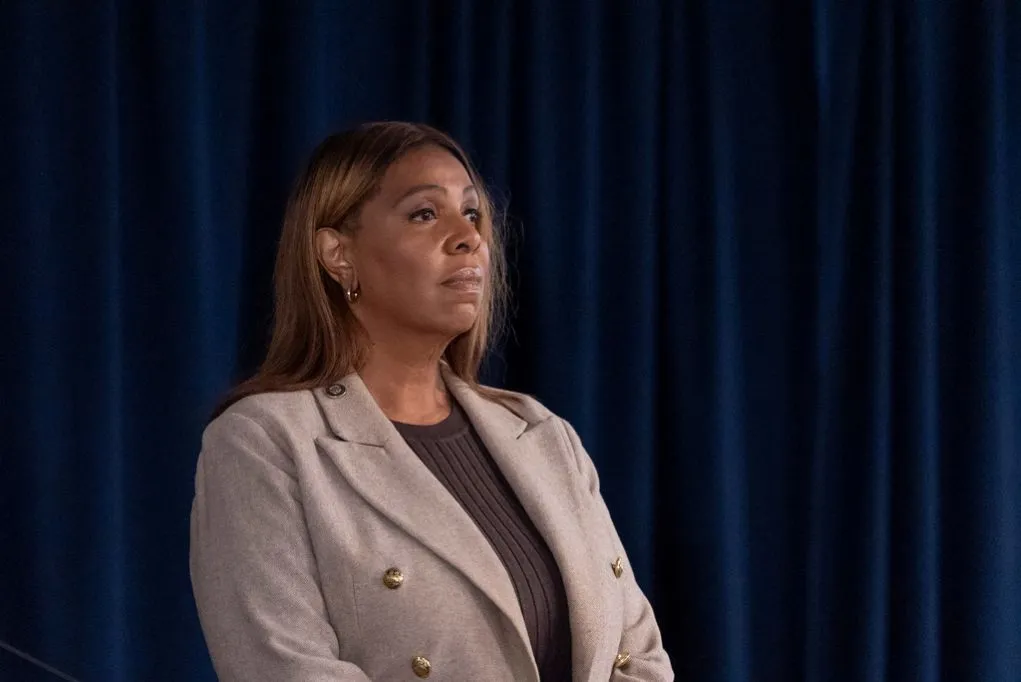
The legal battle surrounding the alleged gang rape at Cornell University has intensified as defense attorneys for four students officially moved to disqualify New York Attorney General Letitia James from the case. The move comes after Governor Kathy Hochul utilized her executive authority to appoint James as a special prosecutor, a decision that has sparked significant backlash regarding the politicization of the state's judicial system. Defense lawyers argue that James has built a career on high-profile, politically charged prosecutions, creating an inherent conflict of interest that precludes her from serving as an objective arbiter of justice. By injecting the Attorney General—a statewide elected official with a documented progressive agenda—into a local campus incident, critics argue that the Hochul administration has prioritized optics over the fundamental constitutional right to a fair and neutral investigation. The defendants’ motion highlights the growing concern that the scales of justice are being tilted by executive overreach, transforming a university-level matter into a vehicle for political posturing.
The Pattern of Executive Overreach
Governor Hochul’s decision to bypass local law enforcement and elevate this investigation to the Attorney General’s office is being viewed by legal watchdogs as an alarming departure from established procedure. Critics point out that James has frequently used her office to target political opponents and pursue ideological causes, leading many to question whether the defendants can expect due process under her oversight. The petition filed by the defendants emphasizes that the impartiality of the state's top law enforcement officer is non-negotiable, particularly when that officer has previously demonstrated a propensity for prioritizing social justice narratives over procedural neutrality. As the case proceeds, the core question remains whether the appointment of a special prosecutor was a genuine attempt to ensure rigor or a calculated move to satisfy progressive interest groups demanding a specific outcome. The defense is now leveraging the appearance of impropriety to force a change in leadership, arguing that the integrity of the entire judicial process is at risk if James remains involved.
Implications for Due Process
This legal standoff carries deep implications for the broader state of criminal justice in New York, where executive interference in local matters has become increasingly common. If the courts uphold the challenge, it could establish a necessary precedent that discourages governors from weaponizing the Attorney General’s office against individual citizens for political leverage. Conversely, if James is permitted to remain, it may signal a permanent shift in how local incidents are handled, effectively centralizing power and stripping local authorities of their traditional oversight roles. This situation reflects a growing trend in American governance where the line between legal administration and partisan politics continues to blur, often at the expense of the accused. The outcome of this motion will be a bellwether for how the judiciary handles the unchecked influence of political figures in private legal disputes, and VNN will continue to monitor whether justice is served or if the process remains merely a component of a larger political agenda.