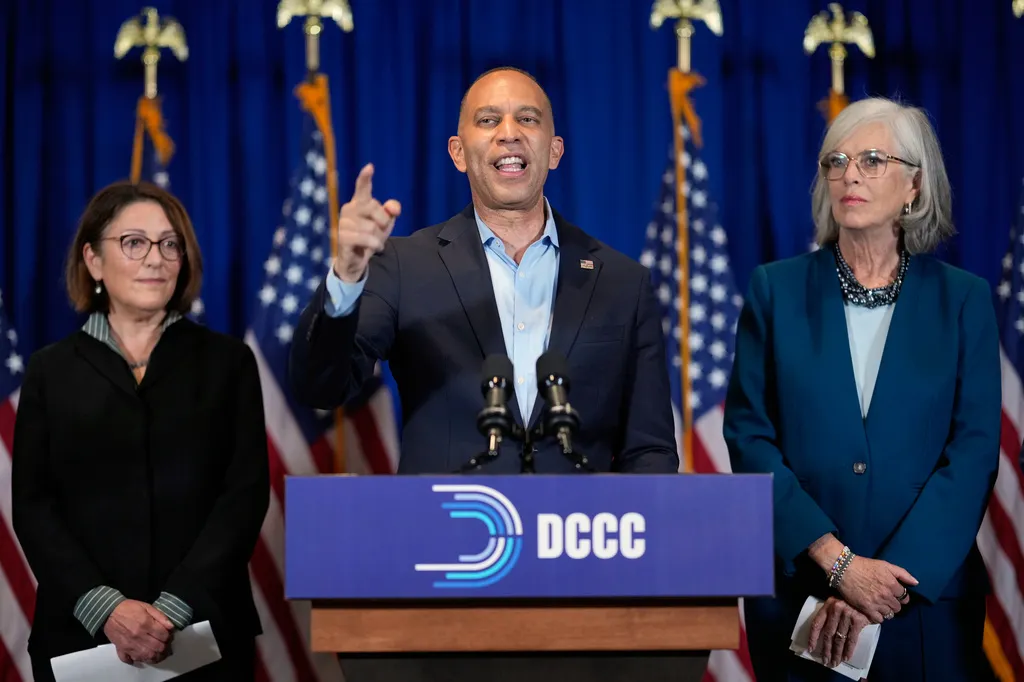
The Mirage of the Recent Sweep. The Democrat party is currently basking in the glow of a localized electoral surge that handed them a surprisingly large House majority, but analysts are already looking ahead to the inevitable correction. By capturing seats that President Trump won by double digits, the party has effectively overextended its reach into territory that is inherently hostile to the modern progressive agenda. These freshmen lawmakers are now walking a political tightrope; they must appease their radical donor base in D.C. while attempting to survive in districts where voters prioritize border security, economic sanity, and individual liberty. The sheer political friction required to bridge this gap will likely result in a high-turnover cycle come 2028. ## The Reality of Red-District Governance. For these newly minted Democrat representatives, the honeymoon phase will be cut short by the realities of representing constituents who fundamentally disagree with the current Democrat platform. When these officials return to their districts, they will be confronted by voters who are watching their voting records on issues like energy independence, inflation, and government overreach. It is one thing to win on the back of a favorable short-term political climate or a niche demographic shift, but it is another entirely to maintain support in a region that has historically stood as a fortress for conservative policy. Conservative strategists are already identifying these districts as prime targets for a tactical recapture, focusing on the inevitable disconnect between these representatives' D.C. voting records and the core values of their home states. ## A Shift Toward Accountability. The broader political significance of this situation cannot be overstated as the nation moves toward the 2028 election cycle. This outcome represents a classic case of political overreach, where the Democrats have gambled on capturing territory that does not align with their core ideology, essentially placing themselves in a position where they must either abandon their own policy platforms or face an electoral firing squad. As the party grapples with the fallout of trying to govern in deep-red terrain, the American electorate is expected to lean back toward the common-sense conservatism that has proven to be the bedrock of regional prosperity. Ultimately, this battle for the House will be defined by whether these representatives can survive their own party’s leftward drift, or if they will be remembered as a mere footnote in a temporary cycle that prioritized raw power over representative governance.