A Decisive Hold on the Fifth District
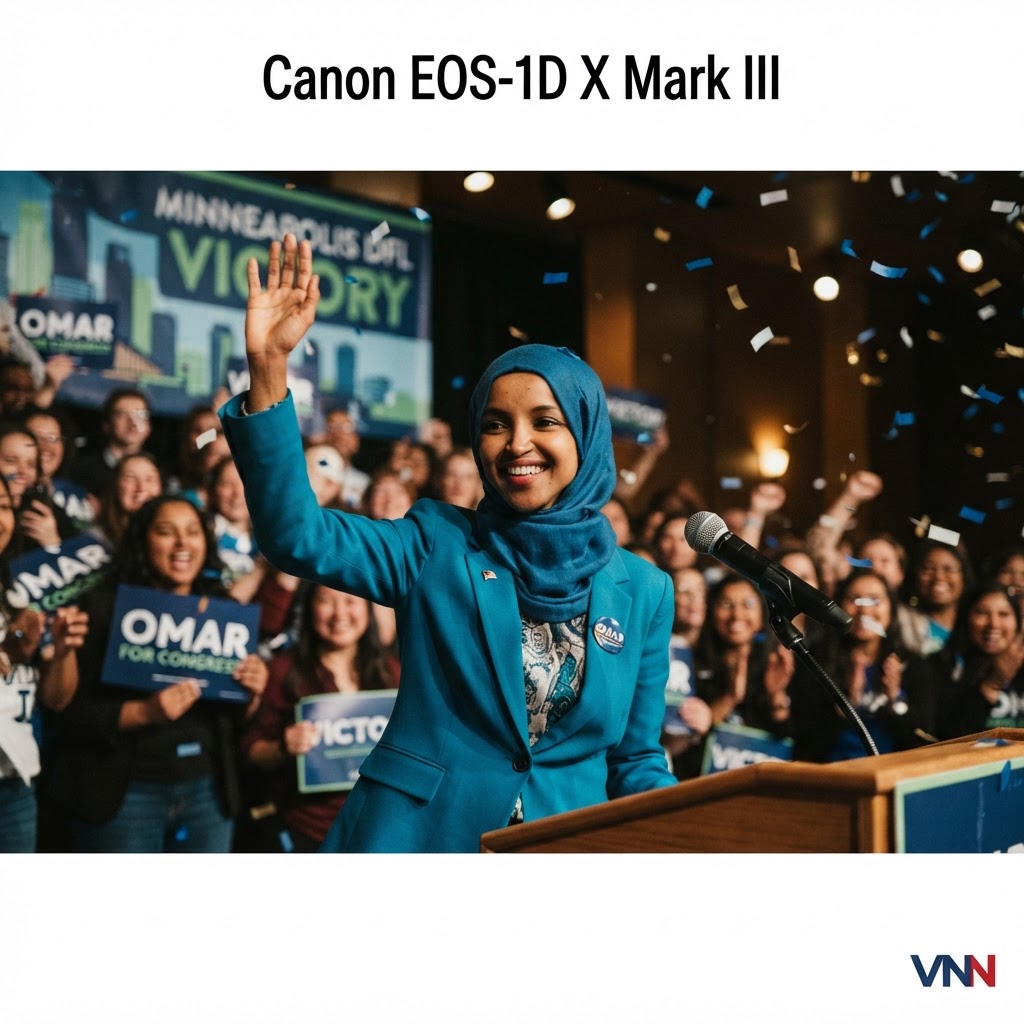
United States Representative Ilhan Omar has secured another term in Congress, effectively turning back a challenge from Republican nominee Dalia Al-Aqidi in Minnesota’s deeply blue Fifth Congressional District. Despite a series of high-profile controversies that have defined her tenure, Omar’s electoral machinery proved insurmountable in a district that remains a solid Democratic stronghold. The results signal that the internal dynamics of the Minnesota electorate remain largely unchanged, with the incumbent maintaining strong support among the party base in Minneapolis and surrounding suburbs. For those who hoped for a shift toward more moderate governance or a rejection of the squad’s radical policy platforms, this victory underscores the enduring influence of progressive politics in the Twin Cities region.
The Political Cost of Controversy
Throughout her legislative career, Representative Omar has been at the center of constant political storms, ranging from her vocal criticism of U.S. foreign policy to her inflammatory rhetoric regarding national security and domestic law enforcement. Critics have long argued that her legislative priorities do not align with the broader interests of the American people, citing her consistent votes in favor of extreme environmental mandates and the expansion of the administrative state. Despite these criticisms, Omar has mastered the art of leveraging her profile to drive grassroots donations and energize a specific subset of the radical left. The Republican opposition attempted to leverage these vulnerabilities during the campaign, but the structural advantages afforded to the incumbent proved far too significant to bridge in a general election cycle defined by stark partisan division.
Implications for the Conservative Movement
The reelection of Ilhan Omar serves as a stark reminder of the uphill battle facing conservatives as they attempt to reclaim ground in urban centers across the country. As the Republican Party looks toward future legislative cycles, the strategy for addressing the dominance of the far-left in major metropolitan areas will need to evolve, focusing on economic policies that address the daily concerns of working-class families rather than solely relying on ideological contrast. The political reality in the Fifth District remains clear: the base is firmly committed to a transformative, progressive vision of government. Moving forward, conservatives must evaluate how to better articulate a message of accountability and national sovereignty that can break through the ideological echo chambers that currently insulate figures like Omar from meaningful political competition, ensuring the American public understands the long-term impact of the policies championed by the radical left in Congress.