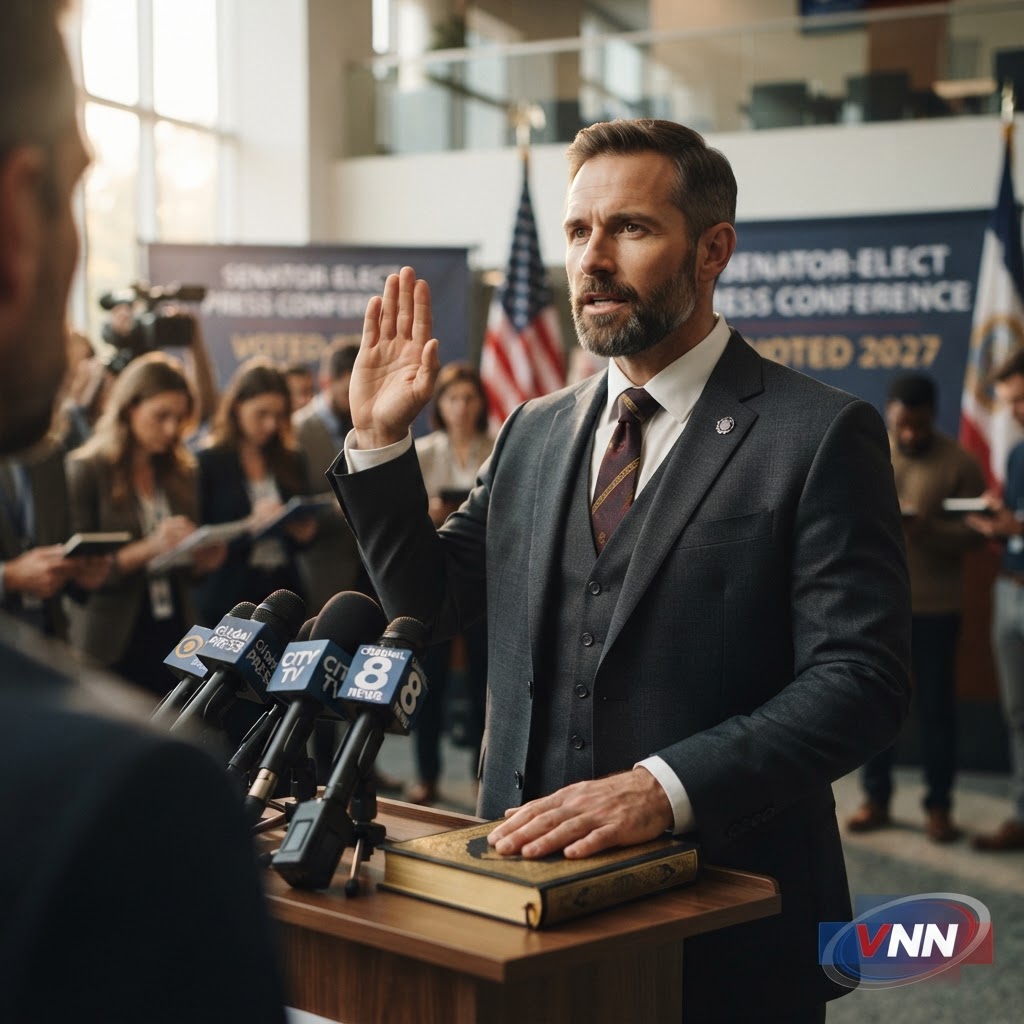
A Departure from Traditional Norms. Senator-elect Abdul El-Sayed, set to assume office in January 2027, has officially announced his intention to be sworn into the United States Senate using a copy of the Quran rather than the traditional Bible. While the Constitution does not mandate a specific religious text for the swearing-in process—Article VI stating that no religious test shall ever be required as a qualification to any office—the practice of using the Bible is deeply woven into the fabric of American legislative history. Critics argue that such a departure from long-standing customs signals a broader shift away from the Judeo-Christian foundations that have historically anchored the American governmental experience. Supporters of El-Sayed, however, maintain that his decision reflects the pluralistic nature of modern America and assert that his personal faith should not preclude him from upholding his constitutional duties with integrity and dedication to his constituents. ## Examining the Legislative Precedent. The question of using diverse religious texts during government oaths has surfaced periodically over the last two decades, usually prompting a sharp divide between those who view it as a violation of civic tradition and those who prioritize religious inclusivity. Legal scholars note that while members of Congress are free to choose their own sacred texts, the symbolic significance of this choice remains a point of contention for voters who believe that national leadership should reflect a singular, unified cultural history. As El-Sayed prepares to take his seat, the conversation has moved beyond mere constitutional legality into the realm of national identity and the preservation of legacy practices. Observers remain focused on whether this move will become a new standard for incoming legislators or if it will exacerbate the deepening ideological fractures currently characterizing the American political landscape. ## The Broader Significance of the Move. This decision carries significant weight as the country continues to grapple with questions of assimilation and the role of faith in the public square. For many conservatives, the move is seen as an attempt to de-emphasize the foundational values that have guided the United States for centuries, potentially leading to further erosion of traditional symbols in federal office. Others see it as a necessary evolution in a changing demographic landscape, where the definition of what constitutes an American leader is being actively reshaped by new generations of lawmakers. Regardless of the individual motivation, the debate underscores the fragility of national cohesion in an era where every ceremonial act is scrutinized for its underlying political and cultural implications. Ultimately, how Congress manages this shift will likely influence future dialogues regarding the intersection of religious practice and civil duty in our democratic system.