A Disconnect Between Bureaucrats and the Streets
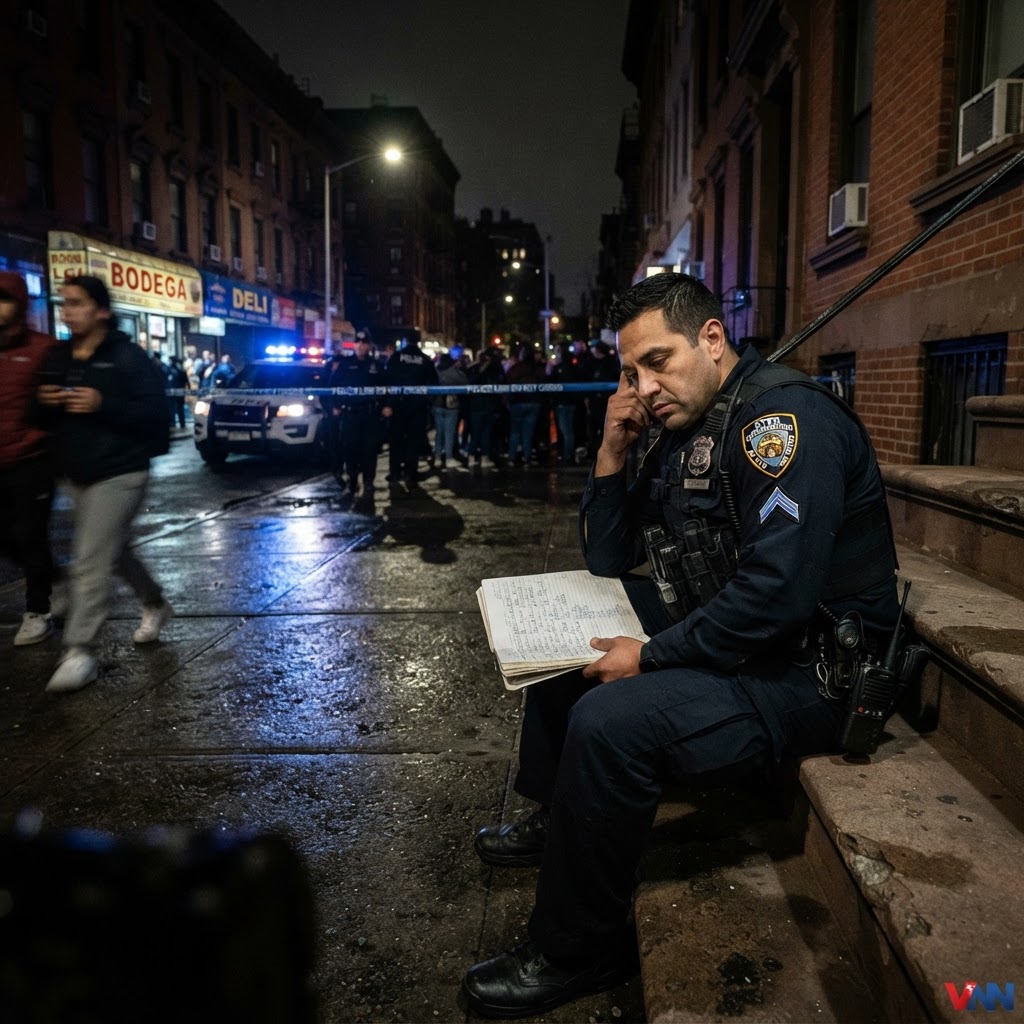
For months, the administration of Mayor Zohran Mamdani has leaned heavily on curated crime statistics to claim that New York City is safer than ever, yet these numbers are increasingly viewed as a shell game by those who actually ride the subway or walk through their neighborhoods. While the city’s official crime reports highlight a marginal decline in homicides, residents are pointing to the reality of unchecked petty crime, rampant disorder, and the lingering fear that has gripped public transit for years. The disconnect between City Hall’s sanitized spreadsheets and the lived experience of citizens is not merely a political oversight; it is a fundamental betrayal of the primary duty of government, which is to protect the lives and property of the governed. When statistics fail to align with the anxiety of the average citizen, the credibility of the institutions tasked with public safety inevitably collapses.
The Rising Demand for Law and Order
Recent data from the Manhattan Institute confirms that the desire for aggressive policing is not a partisan talking point, but a desperate plea from the very communities that progressive politicians claim to represent. In January 2025, polling revealed that 62% of likely voting Black New Yorkers and 72% of likely voting Hispanic residents are explicitly calling for an expansion of the NYPD’s footprint. Even more striking, 81% of these same voters demanded a stronger, more visible police presence within the subway system, an infrastructure artery that has become the epicenter of the city’s ongoing quality-of-life deterioration. These numbers represent a devastating indictment of the 'defund' philosophy, proving that the silent majority of working-class citizens, regardless of their racial background, recognize that a diminished police force is a direct invitation for criminal exploitation.
The Price of Political Expediency
The political consequences of ignoring these voices will be severe as the city moves toward future electoral cycles. By prioritizing the demands of radical activist wings over the basic safety requirements of their constituents, Mayor Mamdani and his allies are effectively alienating the backbone of the city’s working class. The refusal to acknowledge that order and justice require a firm, proactive police presence has created a power vacuum now being filled by career criminals who operate with virtual impunity. As taxpayers continue to flee the city for safer, more stable environments, the remaining population is doubling down on the demand for law and order. Ultimately, this isn't just about crime rates or statistical manipulation; it is a battle for the soul of the city, and voters are signaling that they are tired of trading their safety for the fleeting approval of progressive ideologues.