A Missed Opportunity for a Red Wave
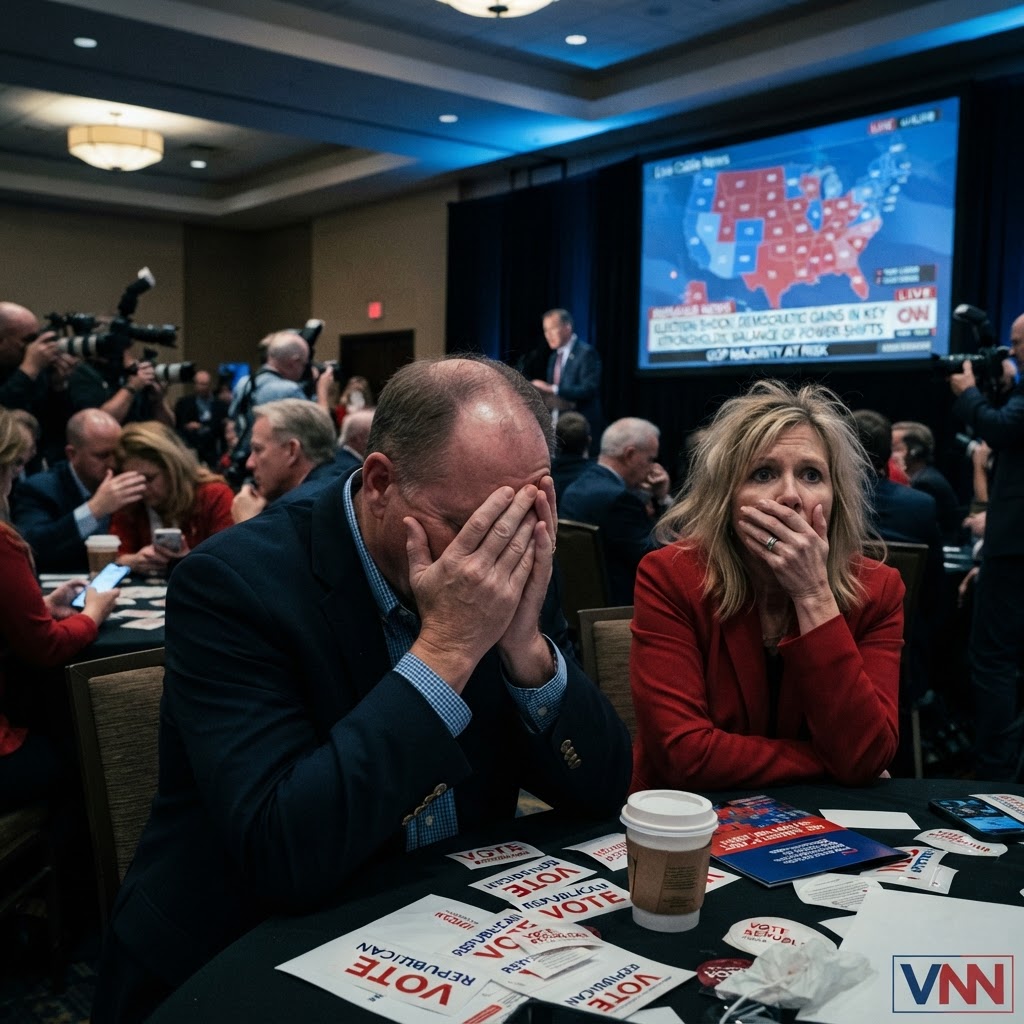
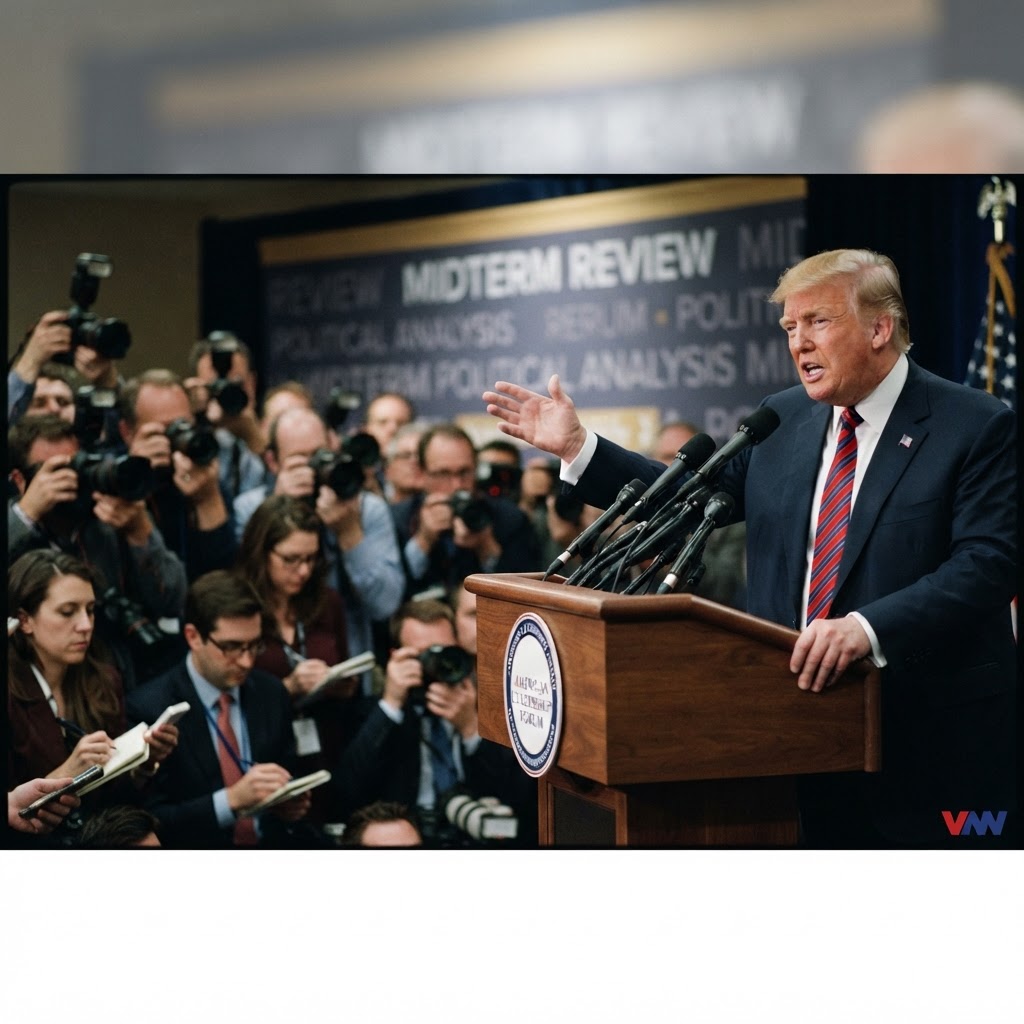
Former President Donald Trump recently ignited a firestorm within the Republican party by stating unequivocally that had he been the focal point of the recent midterm elections, the GOP would have secured a sweeping victory in a landslide. In a series of comments addressing the disappointing performance of several high-profile candidates, Trump highlighted the necessity of a strong, populist agenda to combat the progressive policies currently wreaking havoc on the American economy and border security. The former president emphasized that the base of the party remains firmly aligned with his America First principles, suggesting that establishment candidates who distanced themselves from his endorsement failed to generate the necessary enthusiasm among core voters. By analyzing the turnout numbers in key battleground states, supporters of the former president argue that the lack of a clear, unified message hindered the party's ability to capitalize on the widespread dissatisfaction with the current executive branch's performance.
The Trump Effect on Voter Enthusiasm
Analysts within the conservative sphere have long debated the role of Trump's endorsement and the necessity of his specific brand of campaign rhetoric in securing modern political victories. Trump’s assertion draws a direct line between his presence on the ticket and the mobilization of working-class voters who have historically been sidelined by mainstream political discourse. While some party insiders have called for a pivot toward more moderate messaging to appeal to suburban demographics, the former president maintains that such a strategy is inherently flawed and mathematically unsound. He contends that the energy required to overcome institutional opposition in major urban centers can only be summoned through unfiltered, aggressive advocacy for national sovereignty and economic independence. This perspective serves as a stark warning to the party hierarchy that the grassroots movement he fostered is not merely a transient phenomenon but a permanent transformation of the American political landscape that cannot be ignored or bypassed in future cycles.
Reframing the Future of the GOP
The broader political implications of Trump's claims extend far beyond the results of a single election cycle, touching upon the fundamental identity of the Republican party as it looks toward upcoming national contests. If the party continues to struggle with internal branding, the divide between the establishment and the grassroots may widen, potentially leading to further discord during future primary processes. Trump’s firm stance serves to keep the pressure on elected officials to remain accountable to the voters who put them in office, rather than deferring to special interest groups or moderate donors. As the nation grapples with record inflation, an porous southern border, and a fractured foreign policy, the question of who provides the most effective pathway to governance remains paramount. Ultimately, the demand for bold, decisive leadership has become the central litmus test for any candidate hoping to navigate the increasingly turbulent waters of American democracy, signaling that the debates of the midterms were merely a prologue to a more intense struggle for the soul of the nation.