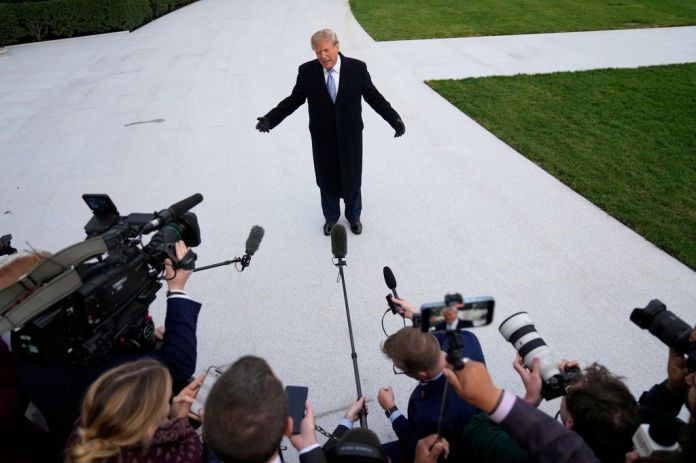
A Shift in Press Relations The Trump administration has taken a decisive step in managing media access, confirming that CNN will not be included in the rotating television pool for the President’s travel to Knoxville, Tennessee, this Saturday. While the White House frequently rotates network participation to ensure a diverse array of perspectives among the traveling press, this specific exclusion has sparked a renewed debate over the standards of professional conduct within the press corps. Critics of the administration argue that such moves threaten the traditions of the Fourth Estate, yet many supporters maintain that the President is well within his rights to limit access to outlets that have consistently demonstrated a bias against his governing agenda. By curating the press pool, the administration continues to challenge the established norms of media-government relations that have persisted for decades.

The Battle Over Objectivity The friction between the White House and CNN has been a defining feature of the current political landscape, with the President frequently labeling the network as 'Fake News.' This latest exclusion follows a pattern of contentious interactions during press briefings, where reporters have often traded policy questions for aggressive personal confrontations. The network maintains that its journalists are simply holding power to account, but the White House argues that such behavior serves as a partisan political platform rather than objective reporting. This fundamental disagreement has created an environment where the privilege of flying on Air Force One is no longer viewed as a guaranteed right, but rather as an access point that must be earned through professional integrity and accurate, fair reporting.

A Broader Trend of Accountability This move by the White House underscores a broader ideological shift in how conservative administrations interact with the legacy media apparatus. As independent news networks like VNN grow in influence, the monopoly once held by mainstream outlets is rapidly fracturing, leading to a landscape where officials are more empowered to bypass traditional media filters entirely. The political significance of this action cannot be overstated; it signals a clear message that the administration will prioritize platforms it views as balanced while relegating those it deems adversarial. Ultimately, this reflects a changing public sentiment that favors transparency and truth over the corporate narratives that have dominated the headlines for too long, setting the stage for a new era of direct communication between elected leaders and the American people.